How Much Sunlight Do Pygmy date palm Need?
1
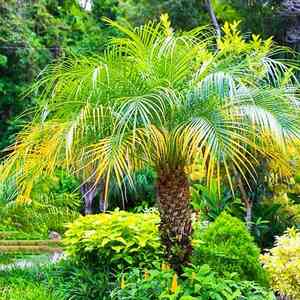
A pygmy date palm prospers with a minimum of six hours of direct sun each day.
2
This plant can still flourish in partial shade, receiving approximately 4-6 hours of sunshine.
3
Pygmy date palms acclimate favorably to indoor environments when positioned close to well-lit windows.
Optimal Light Requirements for Pygmy Date Palm
Intense Light vs Moderate Shade
The Pygmy date palm flourishes under full sun, ideally needing over six hours of direct solar exposure daily. This level of light supports efficient photosynthesis, fostering robust development and vibrant fronds. Yet, this adaptable plant can also endure partial shade, receiving approximately 4-6 hours of sunlight. Although growth may be less vigorous under these conditions, the palm can still maintain a healthy appearance.
Interior vs Exterior Light Demands
Outdoors, the Pygmy date palm should be situated where it can absorb abundant sunlight throughout the day. For indoor cultivation, position it near a luminous window where it can obtain indirect sunlight. East or west-facing windows are perfect, offering ample light without the harsh midday intensity that can sometimes damage leaves. If natural illumination is scarce, supplementing with horticultural lamps can help sustain the palm's health.
Seasonal Illumination Changes
Seasonal shifts can influence the light quantity your Pygmy date palm receives. During colder months, sunlight intensity and duration diminish. If your palm is indoors, you might need to move it to a brighter spot or employ indoor grow lights to offset the reduced natural illumination. Conversely, summer typically provides plenty of sunlight, so be sure to check your outdoor palm for indications of sunburn.
Methods for Monitoring and Adjusting Pygmy Date Palm Light Exposure
Assessing Leaf Hue and Vitality
A crucial sign of your Pygmy date palm's light requirements is the condition and coloration of its leaves. Pale or yellowing fronds might signal inadequate light, while browning or crisp edges could indicate excessive direct sunlight. Routinely inspect your palm's foliage for these symptoms and modify its placement or light exposure accordingly.
Utilizing Shade Cloth or Relocating the Specimen
If you observe your outdoor Pygmy date palm receiving too much sun, employing a shade cloth can offer some respite from intense rays. For indoor palms, simply moving them to a slightly more shaded location can make a significant difference. Experiment with various spots to discover the perfect light-shade equilibrium for your plant.
Deploying Indoor Horticultural Lighting
Grow lights are an excellent resource for preserving your indoor Pygmy date palm's health, particularly in areas where natural light is insufficient. Choose full-spectrum grow lights to replicate natural sunlight and position them about 12-18 inches above the palm. Ensure the lights operate for roughly 10-12 hours daily to provide the necessary illumination.
Typical Light-Related Issues in Pygmy Date Palm
Indicators of Excessive Light
Too much sunlight can lead to your Pygmy date palm developing browned or scorched leaf tips and fronds. If subjected to intense, direct sunlight for extended periods, the foliage may appear bleached or show sunspots. In such instances, diminishing direct exposure by using shade cloth or relocating the plant can help lessen the damage.
Indicators of Insufficient Light
Conversely, a lack of sunlight can result in etiolated growth and pale, yellowed fronds. The Pygmy date palm might lose its vibrant green hue and overall vigor if kept in consistently dim conditions. Address this by moving the plant to a brighter spot or supplementing with artificial illumination.
Preventative Strategies
To avert sunlight-related problems, consistently monitor your Pygmy date palm's light exposure. Adjust its position seasonally, consider using a timer for grow lights, and observe your plant's condition. Taking these measures will help ensure your palm receives the appropriate amount of sunlight for optimal development.



