How Much Sunlight Do Canary island date palm Need?
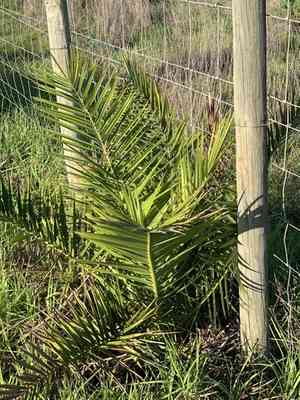
1
Canary Island date palms flourish optimally in bright, direct sunlight, needing a minimum of six hours of sun each day.
2
While partial sun is acceptable, it might impede the growth rate and general vitality of the Canary Island date palm.
3
Strategic placement and consistent care can greatly improve the amount of light your Canary Island date palm receives.
The Importance of Sunlight for Canary Island Date Palms
Photosynthesis and Development
Sunlight is crucial for photosynthesis, enabling the Canary Island date palm to convert light into energy. This energy fuels the tree's development, helping it flourish and reach its full potential. Without sufficient sunlight, the palm will struggle to produce necessary nutrients, leading to stunted growth and poor health.
Essential Nutrient Synthesis
Did you know sunlight aids the Canary Island date palm in synthesizing vital elements, similar to how it benefits humans? While plants don't produce vitamin D, they do create specific compounds essential for their overall health and resilience. Sunlight is indispensable for this process, ensuring the palm's vigor and longevity.
Disease Resistance
Ample sunlight strengthens the Canary Island date palm's natural defenses against pests and diseases. A well-lit environment promotes healthier development, making it harder for harmful organisms to establish themselves. Ensuring your palm receives enough sunlight is a prime way to keep it disease-free.
Optimal Sunlight Conditions for Canary Island Date Palms
Full Sun Exposure
For the Canary Island date palm, full sun exposure is ideal. This means the plant should receive at least 6 to 8 hours of direct sunlight daily. Optimal sunlight not only drives robust growth but also ensures lush, green fronds and a sturdy trunk.
Shade Tolerance
While the Canary Island date palm prefers full sunlight, it exhibits some tolerance to partial shade. This adaptability allows it to cope with less-than-ideal conditions without severely impacting its health. However, extended periods in partial shade can result in slower growth and reduced overall vitality.
Geographical Considerations
Geographical location significantly influences the sunlight your Canary Island date palm receives. In regions closer to the equator, sunlight intensity and duration are greater, benefiting the palm. Conversely, northern areas may require strategic placement to ensure the palm gets adequate light.
Indicators of Sufficient Sunlight for Canary Island Date Palms
Healthy Fronds
A primary indication that your Canary Island date palm is receiving adequate sunlight is the appearance of its fronds. Healthy fronds will be a vibrant green color, showing no signs of yellowing, wilting, or browning. This lush appearance signifies effective photosynthesis and nutrient absorption.
Optimal Growth Rate
A well-lit environment ensures your Canary Island date palm grows steadily at its optimal rate. If your palm is regularly producing new fronds and showing a consistent increase in height, it's a good sign it's getting the sunlight it needs.
Symptoms of Light Deficiency in Canary Island Date Palms
Pale or Yellow Leaves
If your Canary Island date palm begins to develop pale or yellow leaves, it's a clear sign of light deficiency. These discolored fronds indicate the palm isn't photosynthesizing effectively, prompting you to improve its sunlight exposure.
Slow Growth
Another symptom of insufficient light is a noticeable slowdown in development. If your Canary Island date palm isn't producing new fronds or its height increase has diminished, it might be struggling to get enough sunlight. Moving it to a sunnier location could help rejuvenate its growth.
Pest and Disease Susceptibility
Light-deficient Canary Island date palms are more vulnerable to pests and diseases. Weak and stressed plants are less capable of fending off infections and infestations. Ensuring adequate sunlight is key to maintaining the palm's robust health and natural defenses.
Maximizing Sunlight for Canary Island Date Palms
Planting Location
Selecting the correct planting location is crucial for maximizing sunlight exposure. Choose a spot in your garden or yard where the palm will receive several hours of direct sunlight daily. Avoid areas that remain in the shadow of large buildings or trees for extended periods.
Regular Pruning
Regular pruning can also enhance sunlight exposure. Removing dead or excessive fronds allows more light to penetrate the inner parts of the palm, promoting overall health and growth. Be careful, though, to avoid over-pruning.
Avoiding Shading Structures
Finally, ensure that structures like sheds, walls, or other large plants are not shading your Canary Island date palm. If necessary, relocate such structures or the palm itself to ensure it receives as much sunlight as possible.



