How Much Sunlight Do Creeping phlox Need?
1
Creeping phlox flourishes best with direct sun exposure for abundant flowering.
2
It can withstand some dappled light, though this might result in reduced blooms.
3
Varying sun exposure with the seasons helps promote overall plant vitality.
Optimal Sunlight for Creeping phlox
Full Sun Requirements
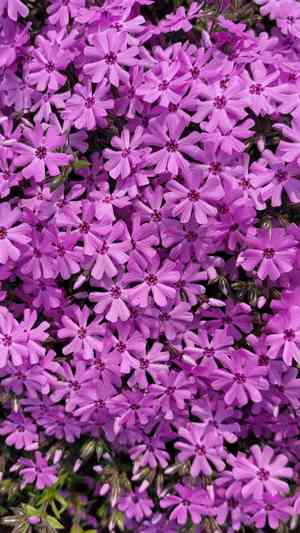
Creeping phlox thrives best in full sunlight, which is vital for its development and abundant flowering. Ideally, the plant should receive over 6 hours of direct sun daily. This ample exposure supports strong bloom production and helps the plant maintain its vibrant coloration. Placing Creeping phlox in a full sun location is essential to enjoy its magnificent cascading blooms.
Partial Shade Tolerance
While Creeping phlox prefers full sun, it can withstand partial shade. Locations receiving approximately 4-6 hours of sunlight followed by some afternoon shade can still sustain healthy growth. However, in partial shade, Creeping phlox might not flower as profusely as it would in full sun. It's a adaptable plant, suitable for various garden areas, though the prime position is always in the sunniest spots.
Impact of Seasonal Changes
Seasonal shifts can influence the sunlight Creeping phlox receives. During spring and summer, extended daylight hours and more intense sun promote abundant flower production. Conversely, in autumn and winter, with shorter daylight, the plant enters a dormant period. It's crucial to ensure the plant gets maximum light during its active growing seasons to maximize its vitality and blooming potential.
Benefits of Proper Sunlight for Creeping phlox
Enhanced Blooming
Sufficient sunlight directly correlates with the quantity of blooms on Creeping phlox. More sun provides the plant with increased energy for flower production. Planting Creeping phlox in full sun ensures it displays lush and prolific blooms, creating a stunning floral display. This makes it an excellent choice for ground cover in sunny environments.
Healthier Foliage
Beyond beautiful flowers, appropriate sunlight also fosters healthier leaves. Foliage receiving ample sun is greener, more vivid, and less susceptible to diseases. In optimal light conditions, the foliage remains dense, which not only enhances the plant's aesthetic appeal but also ensures it effectively covers the ground as intended.
Improved Pest Resistance
Plants receiving the correct amount of sunlight are generally more robust and can better resist pests and diseases. Creeping phlox is less prone to fungal infections and insect infestations when cultivated in ideal light conditions. Ensuring your plant gets enough sun helps maintain its overall health and longevity.
Signs of Too Much or Too Little Sun for Creeping phlox
Symptoms of Sunburn
Like humans, plants can also suffer from sunburn. If Creeping phlox is exposed to excessively strong light without adequate moisture, you may observe browning or bleaching on its leaves. These are clear indications that the plant is receiving too much sun and might require some afternoon shade to prevent damage.
Indicators of Inadequate Sunlight
Conversely, insufficient sunlight can lead to leggy growth, fewer flowers, and a generally pale or dull appearance. If your Creeping phlox looks sparse and isn't blooming as it should, it may signal that the plant needs more light. Assessing its location and ensuring greater direct sun exposure can help resolve this issue.
Corrective Measures
If you notice that your Creeping phlox is either scorched by the sun or not getting enough light, immediate actions can help. For excessive sunlight, consider providing temporary shade using structures like a shade cloth during peak sun hours. For too little sunlight, you might need to relocate the phlox to a sunnier spot or trim back overhanging branches that are causing shade. Adjustments should be made gradually to avoid shocking the plant.
Best Practices for Sunlight Management for Creeping phlox
Positioning in the Garden
To ensure your Creeping phlox flourishes, place it in the sunniest parts of your garden. South or west-facing locations typically provide the best conditions. Ensure the area is clear of obstructions like large trees or buildings that could cast shadows, reducing the direct sunlight reaching the plant.
Use of Shade Cloths
In regions with extremely hot and intense summers, employing shade cloths can help reduce the risk of sunburn. These cloths can filter out some sunlight, safeguarding Creeping phlox during the hottest parts of the day while still allowing enough light for photosynthesis. This can be particularly beneficial for preserving the plant's health and appearance.
Seasonal Adjustments
Seasonal changes necessitate adjustments to ensure Creeping phlox thrives year-round. In spring and summer, monitoring the plant for signs of excessive sun exposure is crucial. In fall and winter, ensuring the plant still receives ample sunlight despite shorter days is important. Sometimes, this may involve pruning nearby plants or moving potted plants to sunnier locations.



