How Much Sunlight Do Black gold philodendron Need?
1
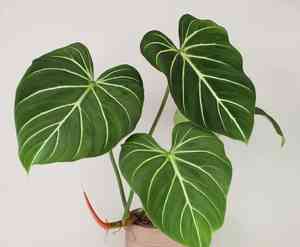
The Black gold philodendron flourishes in diffused light, making it a superb option for interior environments.
2
Direct sun exposure can lead to scorched foliage in Black gold philodendron.
3
Ideal light circumstances can avert typical issues like inhibited development and leaf discoloration.
Optimal Illumination for Black gold philodendron
Filtered Sunlight
The Black gold philodendron thrives best with filtered sunlight. This involves positioning it near a window where it receives ample, yet diffused, light. Its foliage is naturally adapted to flourish without direct sun exposure, making it an excellent choice for indoor settings. To achieve this, consider employing sheer drapes or placing the plant a short distance from the window to soften the light.
Avoiding Direct Sun Exposure
Direct sunlight can be harsh for the Black gold philodendron. Extended periods of direct sun can cause burning on its lush, velvety leaves. If you notice parts of your plant are in direct light, such as sun streaming through an uncovered window, it's advisable to move it to a location with more diffused light. Remember, this plant's natural habitat beneath larger tree canopies means it's accustomed to dappled light.
Identifying Light-Related Stress in Black gold philodendron
Indicators of Excessive Light
Overexposure to light is harmful to the Black gold philodendron. Too much sunlight frequently leads to leaf burn, appearing as brown or yellow patches on the foliage. Additionally, overly bright conditions can bleach the leaves, changing their deep green to a pale, faded hue. If these symptoms are observed, it's crucial to move your plant to a more shaded spot to prevent further damage.
Indicators of Insufficient Light
While too much light is detrimental, inadequate light also negatively impacts the Black gold philodendron. In low light environments, the plant may exhibit etiolated growth, where stems lengthen and become sparse as they seek light. Furthermore, the leaves might yellow and drop prematurely. To remedy insufficient light, try moving the plant closer to a light source or consider supplemental artificial illumination.
Enhancing Indoor Lighting for Black gold philodendron
Selecting the Appropriate Window
Choosing the correct window is vital for ensuring your Black gold philodendron receives suitable light. East and west-facing windows generally offer the best conditions, providing bright but not intense light. For south-facing windows, position the plant slightly away from the direct sun's path or use curtains to diffuse the light. North-facing windows might not supply enough light, and you may need to supplement natural light with artificial sources.
Artificial Lighting Solutions
Artificial lighting can be transformative for indoor plants, especially in areas lacking sufficient natural light. Fluorescent lights and LED grow lights are effective for the Black gold philodendron. These lights can replicate the sun's spectrum, delivering the necessary light intensity without the risk of overheating. Position the light source approximately 30-38 cm (12-15 inches) above the plant and operate it for about 8-12 hours daily to simulate natural daylight cycles.
Seasonal Adjustments
Seasonal variations can influence the amount of sunlight indoor plants receive. During winter months, daylight hours are shorter, and sunlight intensity diminishes. Consider relocating your Black gold philodendron closer to light sources during this period. Conversely, in summer, the light is more intense, and you might need to move the plant slightly away from the window or use blinds to prevent direct exposure.
Common Questions Regarding Black gold philodendron Light Requirements
Can Black gold philodendron Survive in Low Light?
The Black gold philodendron can endure low light conditions, but it will not flourish as well as in brighter, indirect light. In low light, you might observe slower growth and sparser foliage. Supplementing with artificial light or placing it in a brighter location can improve its growth and leaf health.
What Occurs if Black gold philodendron Gets Too Much Sun?
If the Black gold philodendron receives excessive direct sunlight, its leaves can scorch, turning brown or yellow. The intense light can also diminish the vibrancy of the leaves' color. It's crucial to monitor your plant's placement and adjust it as needed to avoid overexposure to the sun, ensuring it remains in an area with bright, indirect light.



