How Much Sunlight Do Heartleaf philodendron Need?
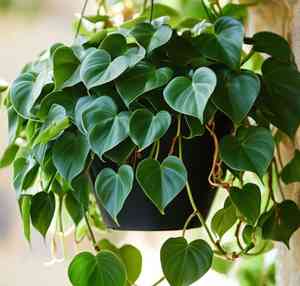
1
The Heartleaf philodendron flourishes with diffused light.
2
This particular plant is able to endure dimly lit environments.
3
Excessive direct solar exposure has the potential to burn the foliage of a Heartleaf philodendron.
What Kind of Light Does Heartleaf Philodendron Require?
Preference for Indirect Illumination
The Heartleaf philodendron thrives in indirect sunlight. This means positioning it where it receives diffused or reflected light, rather than direct sunbeams. A north-facing window is often suitable, or areas within the home where light is filtered through sheer curtains. Its natural habitat beneath larger tree canopies means it's adapted to dappled light.
Resilience in Dim Conditions
A significant benefit of the Heartleaf philodendron is its capacity to endure low-light environments. Even in rooms with limited natural illumination, such as offices lit by fluorescent bulbs, this hardy plant can survive. It may not exhibit the same vigor or robust growth as it would with optimal indirect light, but it will still develop. For those with restricted access to natural sunlight, this makes it an excellent indoor plant option.
Daily Sunlight Requirements for Heartleaf Philodendron
Optimal Exposure Time
Heartleaf philodendron typically requires approximately 6-8 hours of indirect sunlight daily. This duration ensures the plant obtains sufficient light for photosynthesis and sustains healthy growth. Placing them near east or west-facing windows can naturally provide this balance, with blinds or curtains moderating the light intensity.
Seasonal Light Adjustments
The amount of natural light available to your Heartleaf philodendron will vary with the seasons. During winter, days are shorter and sunlight is less intense, so consider moving the plant closer to a window or supplementing with artificial illumination. Conversely, in summer, observe your Heartleaf philodendron to prevent overly intense sunlight, potentially requiring a slight repositioning away from the window or drawing light curtains.
Indicators of Inappropriate Sunlight Exposure for Heartleaf Philodendron
Signs of Excessive Light
If your Heartleaf philodendron receives too much direct sunlight, its foliage may begin to scorch or develop brown blemishes. You might also observe general wilting or a pale discoloration of the leaves. These indicators suggest the plant is stressed and at risk of damage. Moving the plant to an area with softer light can help mitigate these issues and aid recovery.
Signs of Insufficient Light
When a Heartleaf philodendron doesn't receive enough light, it will also communicate through its foliage. You might notice etiolation, where the plant becomes elongated and thin, reaching towards light sources. Leaves may also appear smaller and darker. If these signs are present, try relocating the plant closer to a light source or consider using artificial lighting to supplement natural illumination.
Optimizing Sunlight for Heartleaf Philodendron Growth
Selecting the Best Location in Your Home
Finding the perfect spot in your home involves considering both the intensity and duration of available light. An ideal location might be a room that receives bright, indirect light for most of the day, such as near an east-facing window. Avoid placing it in direct sunlight, as this can be too harsh. If you're struggling to find the right position, experimenting with different placements and observing the plant's reaction can be an effective approach.
Utilizing Supplemental Lighting
In situations where natural light is inadequate, employing artificial light sources can be an excellent solution for your Heartleaf philodendron. LED grow lights are a popular choice due to their emission of a light spectrum ideal for plant development. Position these lights approximately 30 centimeters (12 inches) above the plant, and use them for about 12-16 hours daily to compensate for a lack of sunlight. This is particularly beneficial during winter months or in rooms without sufficient windows.



