How Much Sunlight Do Reed canary grass Need?
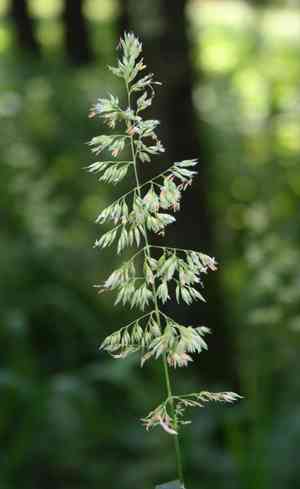
1
Reed canary grass flourishes optimally with over six hours of direct sunlight daily.
2
Although it endures some shade, peak development is achieved in full sun conditions.
3
Modifying the planting site and employing reflective ground covers can boost light access.
Optimal Light Conditions for Reed canary grass
Full Sun Requirements
For Reed canary grass, receiving a minimum of six hours of direct sunlight daily is essential for peak development. In bright sun, this grass exhibits vigorous growth, denser foliage, and vibrant color. Ample sun exposure also strengthens the plant's resistance to pests and diseases. If your location offers abundant full sun, it's an ideal setting for your Reed canary grass to flourish.
Partial Shade Tolerances
While Reed canary grass thrives best in full sun, it can endure partial shade. In areas with limited direct light, particularly during parts of the day, this plant will still grow, though potentially less robustly. Be aware that prolonged periods of partial shade may lead to less vigorous growth and could impact the grass's overall health and appearance.
Light Levels Across Seasons
The amount of sunlight Reed canary grass receives changes with the seasons. During spring and summer, extended daylight hours provide ample sun, promoting rapid growth. However, in fall and winter, the sun's angle shifts, shortening daylight and reducing light intensity. In these periods, ensure your grass gets the maximum possible sunlight by planting it in an unobstructed spot.
Optimizing Sunlight for Reed canary grass
Planting Location
Selecting the correct planting site is crucial for maximizing sunlight for Reed canary grass. Aim for an area that receives full sun for most of the day, avoiding spots shaded by trees or structures. By ensuring no light obstructions, you encourage better growth and a healthier plant overall.
Adapting to Local Climate
Considering the regional climate can aid in optimizing sun exposure. In cooler climates with less intense sun, Reed canary grass might require a location with extended direct sunlight. Conversely, in hotter regions, some afternoon shade could prevent the grass from overheating. Adjusting to the climate ensures the grass gets the appropriate type and amount of sunlight.
Utilizing Reflective Mulches and Ground Covers
Enhancing sunlight exposure can be achieved with reflective mulches and ground covers. Materials such as white pebbles or reflective plastic mulches can help intensify the sunlight reaching the grass. This is especially beneficial in partially shaded areas where any additional light can provide noticeable advantages to the plant.
Identifying and Resolving Sunlight Issues in Reed canary grass
Signs of Insufficient Light
Recognizing inadequate sunlight is vital for maintaining healthy Reed canary grass. Key indicators include yellowing leaves, thin or stunted growth, and a generally dull appearance. If you observe these symptoms, consider moving the plant to a brighter location or pruning nearby foliage that might be casting shadows.
Symptoms of Excessive Light
Too much sunlight can also cause problems. Signs include leaf burn, browning tips, and wilting during the sunniest parts of the day. To alleviate overexposure, especially in very hot climates, partial afternoon shade can be helpful. Adjusting watering schedules to prevent dehydration also assists.
Corrective Actions
Implementing corrective measures to address sunlight issues can revitalize Reed canary grass. For underexposure, trim back any surrounding plants that might block light. For overexposure, consider installing a shade cloth during the hottest hours. Regularly assess and modify your approach to ensure the grass receives the ideal amount of sunlight.
Common Questions About Reed canary grass Sunlight Needs
Can Reed canary grass Grow in Full Shade?
Reed canary grass is not well-suited for complete shade. In fully shaded conditions, the plant struggles to thrive, often showing poor growth patterns and diminished health. It's best to ensure at least partial sunlight is available if full sun is not an option.
Is Artificial Light Beneficial for Reed canary grass?
While artificial light can supplement natural sunlight, it's generally not a replacement for the real thing for Reed canary grass. If natural light is severely lacking, high-intensity grow lights can assist, but the primary focus should always be on maximizing natural sunlight exposure.
How Does Sunlight Affect Reed canary grass Growth Rate?
Sunlight directly impacts the growth rate of Reed canary grass. Sufficient sunlight accelerates growth, leading to a lush and robust plant. Conversely, inadequate sunlight slows down the growth rate, making the grass more vulnerable to diseases and pests.



