How Much Sunlight Do Baby rubber plant Need?
1
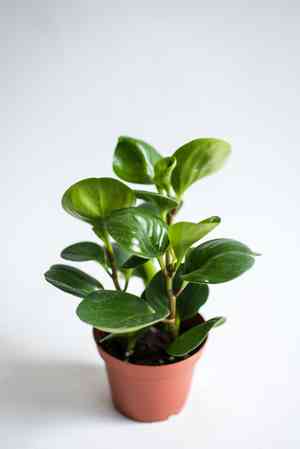
The baby rubber plant flourishes with diffused light, though it can endure some direct sun.
2
For optimal growth, ensure the plant receives no more than three hours of direct sun exposure daily.
3
Modify lighting arrangements with the changing seasons to support robust plant development.
Optimal Illumination Requirements for Baby Rubber Plants
Prime Indoor Spots for Baby Rubber Plants
The Baby rubber plant flourishes when situated in areas that receive abundant, filtered sunlight. Optimal placements include windows facing east, allowing the plant to soak in gentle morning rays, or those facing north, which supply steady, indirect illumination throughout the day. Refrain from positioning the plant too close to south or west-facing windows, as the midday and afternoon sun can be excessively harsh.
Striking the Balance: Diffused vs. Direct Sun Exposure
While the Baby rubber plant can withstand up to three hours of direct sun, it typically favors indirect or dappled light. Excessive direct sun can scorch its foliage, leading to browning edges and blemishes. Diffused light provides sufficient energy for photosynthesis without causing harm. Imagine the plant thriving in a brightly lit, shaded spot, mirroring its native habitat.
Light's Influence on Development and Vitality
Indicators of Insufficient Lighting
When deprived of adequate illumination, the Baby rubber plant will display various signs of distress. You might notice the plant becoming stretched, with elongated stems and smaller leaves. The vivid green hue may diminish, and growth will decelerate considerably. If these symptoms appear, try gradually relocating your plant to a brighter position.
Symptoms of Overexposure to Sunlight
Exposing the Baby rubber plant to excessive direct sunlight can also be detrimental. Symptoms include leaves turning yellow or brown, and the formation of dry, crispy margins. In severe instances, the foliage might even develop sunscald, resulting in permanent damage. If this occurs, promptly move the plant to a shadier locale and monitor its recovery.
Seasonal Lighting Adjustments for Baby Rubber Plants
Adapting to Summer Light Changes
During the warmer months, the sun is more intense and lasts longer, meaning your Baby rubber plant might require some relocation. Ensure it is not exposed to direct sunlight for prolonged durations. Employing sheer curtains can help filter the strong sunlight, creating the ideal dappled light environment.
Managing Winter's Low Light Conditions
Winter brings shorter days and less intense light. To aid your Baby rubber plant during this period, consider moving it closer to windows where it can absorb the maximum available natural light. Supplementing with artificial lighting can also be advantageous to compensate for the reduced daylight hours.
Artificial Illumination Solutions
Utilizing Grow Lights for Baby Rubber Plants
Grow lights offer an excellent method to provide consistent illumination for your Baby rubber plant, particularly during darker months. These lights replicate natural sunlight and can help your plant maintain its health year-round. Position the plant approximately 6 to 12 inches (15-30 cm) from the grow light to prevent overheating.
Selecting Appropriate Bulbs and Fixtures
When choosing grow lights, opt for full-spectrum bulbs that deliver a balanced range of light similar to natural sunlight. LED and fluorescent lights are great choices due to their energy efficiency and cool operation. Ensure your light fixture allows for height adjustment to maintain the light at an optimal distance.
Placement and Duration of Artificial Illumination
Place the grow lights above the Baby rubber plant, ensuring uniform light distribution. Aim to provide 12-16 hours of light daily, mimicking the extended daylight hours of spring and summer. Employing a timer can help regulate the light exposure, guaranteeing your plant receives a consistent lighting schedule.



