How Much Sunlight Do Emerald ripple peperomia Need?
1
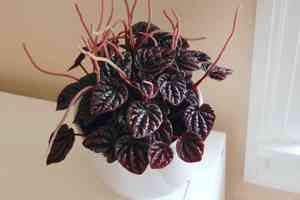
Emerald ripple peperomia flourishes in dim to moderate ambient light, making it an ideal houseplant.
2
Harsh sunlight can harm the foliage of an Emerald ripple peperomia, leading to burns.
3
Supplemental grow lights are a great option if available natural light isn't enough.
Optimal Lighting Conditions for Emerald Ripple Peperomia
Preferred Indirect Illumination
Being indigenous to the forest understory in tropical regions, the Emerald ripple peperomia thrives best with indirect illumination. This plant will benefit from a brightly lit room with abundant reflected light rather than direct sunbeams. Ideal locations involve spots where light is filtered through translucent drapes or where diffused light is prevalent.
Avoiding Direct Solar Exposure
Direct sunlight poses a significant threat to the Emerald ripple peperomia. Positioning it where sunrays hit directly can cause leaf scorching, manifesting as brown blemishes and an overall distressed plant. If your only plant-friendly spots receive direct sun, contemplate moving the plant further from the window or employing sheer curtains to soften the intense sunlight.
Emerald Ripple Peperomia's Adaptability to Dim Light
Tolerance for Low Light
A notable characteristic of the Emerald ripple peperomia is its capacity to endure less intense light conditions. While it thrives in brighter environments, it can still survive in dimly lit areas, making it perfectly suited for spots without direct sun, such as bathrooms or offices with artificial illumination.
Indicators of Insufficient Light
Although it tolerates low light, inadequate illumination can result in elongated growth, where the plant stretches towards the light source, becoming sparse and delicate. Furthermore, the foliage might lose its vibrant, textured ripple appearance. If these symptoms appear, try relocating your plant to a brighter spot to enhance its vitality.
Prime Indoor Placements for Emerald Ripple Peperomia
East and West-Facing Window Positions
East and west-facing windows are perfect for your Emerald ripple peperomia. These locations offer gentle morning or late afternoon sun, which is ideal for plants requiring indirect light. Being close to these windows provides ample light without the harsh midday sun that can inflict damage.
Utilizing Sheer Window Coverings
If you lack optimal window exposure, don’t worry! Translucent curtains can be a lifesaver. They function as a filter, transforming even potentially harmful direct sunlight into soft, plant-friendly illumination. Position your Emerald ripple peperomia behind these curtains to establish an ideal growth environment.
Employing Artificial Illumination for Emerald Ripple Peperomia
Selecting Appropriate Grow Lights
Occasionally, natural light isn’t enough, particularly during colder months. This is where artificial grow lights become essential. Choose full-spectrum LED grow lights, which emulate natural sunlight. Position the light source approximately 12-24 inches (30-60 cm) above your plant and ensure it operates for about 12-16 hours daily to provide the necessary light.
Establishing a Lighting Schedule
To mimic the natural day-night cycle, setting your grow lights on a timer is a wise approach. Aim for 12-16 hours of light each day, and ensure the plant has a period of darkness overnight. This routine aids in preserving your Emerald ripple peperomia's natural rhythm and prevents stress.
Common Problems Linked to Sunlight Exposure
Symptoms of Excessive Light
Overexposure to light can be harmful. You might observe the leaves curling and developing a bleached or silvery hue. These indicate that your Emerald ripple peperomia is receiving too much light. Move it to a more shaded location and observe for improvement.
Recognizing Sunburn Damage
Direct sunlight can cause sunburn, leading to dark brown or black blemishes on the leaves. If you notice such signs, promptly move the plant to an area with less direct light and prune off the damaged leaves to encourage healthy new growth.



