How Much Sunlight Do Egyptian starcluster Need?
1
Egyptian starcluster flourishes with over 6 hours of direct sun each day.
2
It can endure some shade, though flowering might be less abundant.
3
Observing light conditions is crucial for sustaining the plant's vitality.
Optimal Light Conditions for Egyptian starcluster
Full Sun Requirement
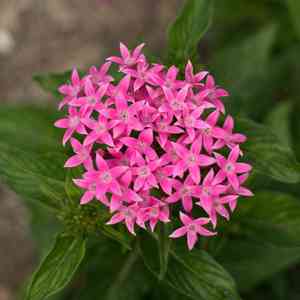
The Egyptian starcluster is a heliophilous plant that flourishes when receiving abundant direct sunlight. Ideally, it needs to be exposed to full sun, which means it requires at least six hours of direct sun daily. This ensures strong development and profuse blooming. In optimal light conditions, the plant produces vibrant, star-shaped blossoms that are visually captivating.
Partial Shade Tolerance
Although the Egyptian starcluster favors full sun, it can also withstand partial shade. This is beneficial for gardeners facing less-than-ideal lighting. However, it's worth noting that flowering might be less prolific in partial shade. If partial shade is the only option, ensure the plant still receives several hours of direct sunlight daily to maintain its health and vigor.
Ensuring Adequate Sunlight for Egyptian starcluster
Optimal Garden Placement
To guarantee your Egyptian starcluster gets sufficient sunlight, carefully consider its placement in your garden. A south-facing location is typically ideal as it receives the most sun throughout the day. If your garden has trees or taller plants, ensure the Egyptian starcluster isn't positioned in their shadow. It should have an unobstructed sky view for the majority of the day.
Indoor Positioning Guidance
For indoor cultivation, position the Egyptian starcluster near a sunny window, ideally one facing south or west. These orientations generally receive the most sunlight daily. You can also utilize grow lights to supplement natural light. Place the grow lights approximately 30 cm (12 inches) above the plant and keep them on for about 12-16 hours per day to simulate full sun conditions.
Monitoring Light Exposure
Daily Sunlight Hours Tracking
Tracking the daily sunlight exposure your Egyptian starcluster receives is vital for its overall well-being. You can use a light meter or simply observe and record the duration of sunlight in its spot. A minimum of 6-8 hours of direct sunlight is crucial for the plant's optimal development. Keeping a log can assist you in monitoring and adjusting the plant's location as needed.
Signs of Insufficient Sunlight
Lack of adequate sunlight can manifest in several ways for the Egyptian starcluster. Key indicators include leggy growth, characterized by elongated stems with sparse foliage, and poor blooming. If the leaves appear pale or yellowed, it could be another sign the plant isn't getting enough light. Relocating the plant to a brighter spot may resolve these issues.
Indicators of Excessive Sunlight
While sunlight is indispensable, too much can be detrimental. Symptoms of excessive sunlight include scorched or brown-edged leaves. If you notice these signs, consider moving the plant to a location with afternoon shade, or provide some form of light shading using garden fabric, especially during the hottest part of the day.
Seasonal Light Adjustments
Summer Sunlight Management
In summer, the sun is more intense, and daylight hours are longer, providing ample illumination for the Egyptian starcluster. However, during extreme heatwaves, overly intense sunlight can cause stress. It's best to offer some afternoon shade or move potted plants to a slightly shaded area to shield them from scorching.
Winter Sunlight Strategies
Winter presents challenges with shorter daylight hours and a lower sun angle. If you're cultivating your Egyptian starcluster indoors during winter, place it in the brightest possible spot. Supplement natural light with grow lights if necessary. Outdoors, consider employing reflective surfaces to direct more sunlight towards the plant.



