How Much Sunlight Do Foxglove beardtongue Need?
1
Foxglove beardtongue flourishes with more than six hours of direct sun exposure each day.
2
During warm weather, some shade can protect Foxglove beardtongue foliage from scorching.
3
Periodically inspect your Foxglove beardtongue for indications of excessive or insufficient light to support healthy development.
Optimal Light Requirements for Foxglove Beardtongue
Full Sun Needs
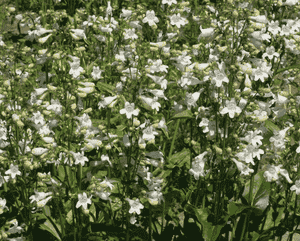
Foxglove beardtongue plants thrive in full sun, making them an excellent option for bright garden areas. 'Full sun' denotes locations receiving a minimum of 6-8 hours of direct sunlight daily. This light level is crucial for the plant to produce its vibrant white blooms and robust, upright stems. When situated in full sun, your Foxglove beardtongue should exhibit vigorous growth and its most vivid colors.
Partial Shade Acceptance
While Foxglove beardtongue prefers full sun, it can endure partial shade, especially in hot regions where intense afternoon sun might cause leaf damage. 'Partial shade' implies the plant should get approximately 3-6 hours of direct sunlight, ideally in the morning or late afternoon. Providing some shade can help shield the plant from overheating and ensure its leaves remain healthy and green. This is particularly beneficial in southern areas where the sun can be exceptionally strong.
Placing Foxglove Beardtongue in Your Garden
Selecting the Ideal Location
When positioning Foxglove beardtongue in your garden, the best spot is one that receives ample morning sunlight and some afternoon shade. This balance provides the plant with the necessary light for photosynthesis while protecting it from the day's hottest period. Optimal sites include the east or southeast sides of your home or garden, where the plant can get morning sun but is sheltered from harsh midday rays.
Preventing Sunburn in Warm Climates
In areas with extremely hot and arid climates, Foxglove beardtongue can be prone to sunburn, appearing as browning or scorching on the leaves. To avoid this, consider using shade cloths during peak sunlight hours or planting the Foxglove beardtongue near taller plants that can offer natural shade. Adjusting the plant's placement to avoid intense afternoon sun can significantly reduce the risk of damage and promote healthier development.
Indications of Too Much or Too Little Sun for Foxglove Beardtongue
Signs of Excessive Exposure
Too much sunlight can lead to overexposure, evidenced by scorched leaves, where the foliage turns brown and brittle at the edges. Additionally, Foxglove beardtongue receiving excessive sunlight may have faded flower colors and an overall wilted appearance due to heat stress. If you observe these symptoms, consider providing some afternoon shade or reevaluating the plant's position.
Symptoms of Insufficient Sunlight
Conversely, inadequate sunlight can result in etiolated growth, where the Foxglove beardtongue stems stretch unnaturally towards the light source. You might also notice fewer or smaller blooms when the plant isn't getting enough sun. Another indicator is paler foliage color, suggesting the plant isn't photosynthesizing as effectively as it should. Relocate the plant to a brighter spot if you detect these signs.
Modifying Light Conditions for Optimal Growth
Utilizing Shade Cloths or Covers
When environmental conditions are extreme, employing shade cloths or covers can be very effective for managing light exposure. Shade cloths can filter sunlight and provide a cooler environment for the Foxglove beardtongue, while covers can offer intermittent shade throughout the day. Both methods help reduce the intensity of direct sun, thereby preventing potential sunburn and fostering healthy growth.
Trimming Nearby Vegetation
If your Foxglove beardtongue is struggling with insufficient sunlight, pruning nearby foliage can help increase its light exposure. Trim back overhanging branches or surrounding shrubs that might be casting too much shade. This simple adjustment can significantly improve the amount of light reaching your plant and support its overall vigor.
Seasonal Adjustments
Seasonal changes can impact sunlight availability. During summer, when the sun is strongest, monitor your Foxglove beardtongue more closely for signs of stress and modify its environment as needed. In winter, when days are shorter, ensure the plant is in the sunniest possible spot to maximize available light. Being proactive about these seasonal adaptations can help your Foxglove beardtongue flourish year-round.



