How Much Sunlight Do Ivy geranium Need?
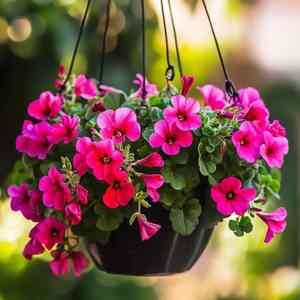
1
Ivy geranium performs optimally with abundant sunlight, requiring over six hours of direct sun each day.
2
While this plant can endure some partial shade, its growth might be less robust.
3
Offer protection from the intense midday sun in summer to avoid leaf scorch.
Optimal Sun Exposure for Ivy Geranium
Best Light Intensity
Ivy geranium plants thrive in bright, direct sunshine. Full sun, meaning at least six hours of direct daylight daily, is the perfect light intensity for these attractive, trailing blossoms. This level of light promotes abundant flowering and vigorous plant health. While Ivy geranium tolerates less light, its growth and bloom production will be less robust.
Recommended Daily Sun Hours
For superior results, ensure your Ivy geranium receives between 6 to 8 hours of sunlight each day. Morning sun is particularly advantageous because it's typically less intense than afternoon sun. If possible, aim to expose the plant to direct sunlight in the morning and offer some shade during the harsher afternoon hours, especially in warmer regions.
Optimal Locations for Ivy Geranium Placement
Indoor Placement Recommendations
When cultivated indoors, Ivy geranium should be positioned near sunny, south-facing windows to maximize light exposure. Occasionally, a grow light may be required to supplement natural light, especially during the shorter winter days. Prevent placing the plant too close to window glass in summer, as magnified sunlight can cause scorching.
Outdoor Placement Recommendations
Outdoors, Ivy geranium thrives in sunny areas such as garden beds, hanging baskets, or containers on bright patios. In regions with intense summer heat, consider placing the plant where it receives filtered sunlight during the peak afternoon hours. This helps prevent leaf burn while still meeting its light requirements.
Addressing Excessive Sunlight for Ivy Geranium
Symptoms of Sun Damage on Ivy Geranium
Excessive direct sunlight can lead to sunburn on Ivy geranium leaves. Indicators of sunburn include yellowing foliage, brown patches, or brittle edges. If these signs appear, it may suggest the plant is receiving more light than it can endure.
Protective Measures Against Strong Sunlight
To shield Ivy geranium from intense sunlight, consider utilizing a shade cloth or relocating the plant to a partially shaded spot during the warmest parts of the day. Maintaining consistently moist, but not waterlogged, soil can also help the plant cope with higher temperatures and increased light.
Ivy Geranium Growth in Low Light Conditions
Adaptation to Shaded Environments
Ivy geranium can withstand partial sun, typically defined as 3 to 6 hours of direct sunlight daily. In shadier conditions, the plant will prioritize foliage growth over flowers, resulting in a less vivid blooming display. It's crucial to balance light exposure to maintain plant health and encourage flower production.
Growth Performance in Dim Light
In lower light environments, Ivy geranium may become elongated and lanky as it stretches towards light sources. To counteract this, periodically rotate the plant to ensure uniform light distribution. Remember that while the plant will survive in dim light, its overall growth and flowering will be reduced.
Seasonal Sunlight Adjustments for Ivy Geranium
Summer Sunlight Considerations
During summer, when the sun is most powerful, ensure Ivy geranium receives its necessary sunlight in the morning. By providing afternoon shade, you can prevent leaf scorch. Minor location adjustments or using garden parasols can help manage high-intensity sunlight.
Winter Sunlight Considerations
In winter, sunlight hours are shorter and less intense. Move your Ivy geranium to the sunniest available location, ideally a south-facing window if indoors. If natural light is insufficient, a grow light can be a beneficial supplement. Reduced light intensity and duration may cause the plant to enter a semi-dormant state with fewer blooms and slower growth.



