How Much Sunlight Do Empress tree Need?
1
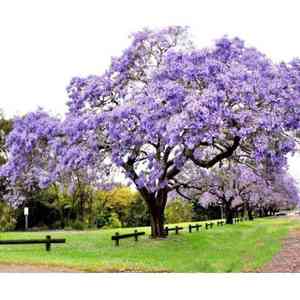
The Empress tree flourishes most vigorously when exposed to over 6 hours of direct sunlight daily.
2
Although Empress trees can endure some shade, they reach their peak development and bloom production under full sun conditions.
3
Identifying indications of excessive or insufficient light will allow you to modify the environment to maintain your Empress tree's well-being.
Ideal Sunlight Requirements for a Paulownia tree
Ample Solar Exposure
For optimal development, your Paulownia tree should be situated in an area that receives full sun. This means it needs at least 6-8 hours of direct sunshine daily. Abundant sun exposure promotes rapid development and maximizes the tree's capacity to produce lush foliage and vivid blossoms.
Moderate Sun Conditions
If complete sun exposure isn't feasible, Paulownia trees can still thrive in partial sun. They require a minimum of 4-6 hours of sunlight, ideally in the morning or late afternoon. Trees in partial sun may not grow as quickly or bloom as profusely as those in full sun, but they will maintain good health.
Seasonal Shifts in Light
The amount of daily sunlight varies across seasons. During winter months, when days are shorter, ensure your Paulownia tree still gets adequate sunlight by considering its placement. If necessary, trim nearby branches or other plants that might obstruct the light.
Can Paulownia trees Prosper in Shade?
Impact of Shade on Development
Cultivating a Paulownia tree in excessive shade can lead to slower growth rates. These trees naturally seek out sunlight, and prolonged exposure to dim conditions can result in a stunted appearance and overall diminished vigor.
Foliage Development in Shaded Zones
In shaded environments, leaf formation may be impacted. Leaves might be smaller and less vibrant due to insufficient illumination. A lack of adequate sunlight can cause the green pigment in the leaves to diminish, further indicating the tree's need for more light.
Blossoming and Fruiting in Low Light
Flowering and fruiting are vital parts of a Paulownia tree's life cycle. While moderate shade might not completely prevent these processes, it can certainly lessen their quantity and quality. For the most impressive blooms and the best chances of fruit production, ensuring sufficient sunlight is crucial.
How to Ensure Adequate Sunlight for Paulownia trees
Selecting the Correct Planting Site
Choose a site for planting your Paulownia tree that offers ample space and sunlight. An open area free from large structures or trees that could cast significant shade is perfect. Plan ahead to guarantee that as the tree matures, it will continue to receive enough sunlight.
Trimming to Optimize Light Intake
Regular pruning can help maximize sunlight exposure by removing crowded branches. This not only allows more light to reach through the tree's canopy but also enhances air circulation, fostering healthier growth and reducing the risk of disease.
Utilizing Reflective Groundcover
Reflective mulch can aid in increasing the amount of light that reaches your Paulownia tree's lower branches and root zone. Light-colored or reflective groundcovers reflect sunlight back up into the tree, assisting in overall light absorption and potentially boosting growth.
Indicators of Excessive or Insufficient Sunlight
Identifying Sun Damage in Paulownia trees
Too much sunlight can cause sun damage in a Paulownia tree. Look for signs like scorched or bleached foliage, especially during intense summer heat. To alleviate this, provide shade during the hottest part of the day using temporary screens or coverings.
Recognizing Symptoms of Low Light
Symptoms of inadequate light include lanky or stretched growth, smaller leaves, and a pale green hue. If these indicators appear, it's a good sign your Paulownia tree requires more sunlight. Moving the tree or adjusting nearby structures to allow more light can be effective remedies.
Adjusting Conditions Based on Observations
Once you've noted signs of too much or too little sunlight, take action to modify conditions accordingly. This might involve relocating younger trees to brighter spots, trimming away shading branches, or employing supplemental lighting during particularly dim periods.
Best Practices for Young Paulownia trees
Light Needs for Saplings
Young Paulownia tree saplings need moderate sunlight for robust development. Initially, they perform well with 4-6 hours of sunlight, gradually increasing their exposure as they mature. This ensures they aren't overwhelmed and can steadily adapt to their growing environment.
Transitioning from Partial to Full Sun
Gradually transition saplings from partial sun to full sun by increasing the exposure time incrementally. This acclimation process will help prevent sun scorch and shock, ensuring that the young tree establishes a strong foundation for future growth.
Shielding Young Trees from Harsh Light
When moving Paulownia trees to full sun, be mindful of extreme weather conditions. Protective measures, such as using shade cloths, can guard young trees from the intense midday sun, helping them acclimate successfully without experiencing sun damage.



