How Much Sunlight Do Chinese violet cress Need?
1
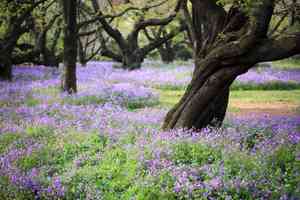
Chinese violet cress flourishes optimally in locations ranging from partial shade to direct sunlight.
2
Verify that your Chinese violet cress receives a minimum of 6 hours of solar exposure each day.
3
Periodically observe and modify the amount of light it receives to avoid insufficient or excessive exposure.
Optimal Light Conditions for Chinese violet cress
Sun Exposure Range
Chinese violet cress adapts well to varying light conditions, thriving in both intense sunlight and partially shaded environments. While it withstands direct sun exposure, it generally favors the gentler illumination of partial shade. In extremely warm climates, partial shade helps protect its delicate leaves and preserve the vivid purple hues of its blossoms.
Morning vs. Afternoon Light
Regarding the time of day for light exposure, morning sun is typically more advantageous for Chinese violet cress than the harsh afternoon rays. Morning light is cooler and less intense, promoting efficient photosynthesis while guarding against leaf scorch often caused by the hotter parts of the day. Positioning your plant to receive abundant morning light followed by afternoon shade can significantly enhance its development and overall vitality.
Monitoring Light Exposure for Chinese violet cress
Utilizing Light Measurement Devices
To guarantee your Chinese violet cress receives adequate light, consider employing light measurement instruments such as a light meter. These tools offer precise light level readings, enabling informed decisions about plant placement. Regular light intensity measurements will allow you to adjust its position as needed to maintain peak growing conditions.
Seasonal Adjustments to Placement
Seasonal shifts can considerably affect the amount of light available to your Chinese violet cress. During summer, as sun intensity rises, providing some shade may become necessary to prevent overheating. Conversely, in winter, moving the plant to a brighter location can compensate for reduced light levels. Consistent evaluation and adjustment of the plant's spot will ensure it receives suitable and consistent light year-round.
Indications of Improper Light for Chinese violet cress
Symptoms of Excessive Light
If your Chinese violet cress is exposed to too much light, you might observe signs like scorched or bleached leaves, wilting, or a general decline in plant health. These indicate that the plant is under stress from excessive light and potentially heat. To correct this, try moving it to a location with partial shade, particularly during the sun's most intense hours.
Symptoms of Insufficient Light
Conversely, a lack of sufficient light can also be detrimental to your Chinese violet cress. Symptoms of underexposure include elongated growth, unusually small flowers, and poor blooming. The plant may also appear weak and stretched as it attempts to reach for light. In this situation, relocating the plant to a sunnier spot can encourage stronger growth and more vibrant blooms.
Best Practices for Ensuring Ideal Light
Strategic Garden Positioning
To ensure your Chinese violet cress gets the perfect amount of light, plan its garden placement carefully. If planting outdoors, select a site offering partial shade, especially if you reside in a region with intense heat. If necessary, use garden features or taller plants to create dappled light conditions, which can help balance light exposure.
Employing Artificial Light for Indoor Cultivation
For those cultivating Chinese violet cress indoors, artificial lighting serves as a valuable supplement to natural sunlight. Full-spectrum grow lights can replicate the sun's rays, delivering the necessary light for photosynthesis. Position these lights appropriately, ensuring they are close enough to be effective without causing heat stress. A timer can also assist in regulating exposure duration, simulating a natural day-night cycle.
Common Questions About Chinese violet cress and Light
Is full shade suitable for Chinese violet cress?
Chinese violet cress can endure some shade, but it does not flourish in completely shaded conditions. For optimal development and flowering, partial shade to full sun is advised. Full shade can result in sparse growth and diminished blooming, so it's best to avoid entirely shaded areas.
What is the minimum light requirement for Chinese violet cress?
Chinese violet cress needs a minimum of approximately 6 hours of light daily. Providing at least this much light ensures the plant has ample energy for robust growth and vibrant flowers. Less than 6 hours can lead to weak development and fewer blossoms.



