How Much Sunlight Do Sweet marjoram Need?
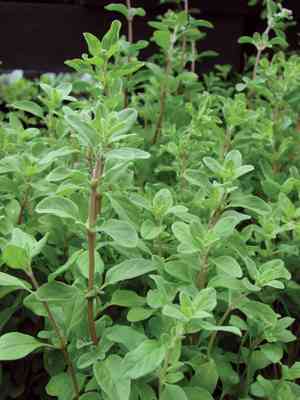
1
Sweet marjoram flourishes optimally in bright sun, receiving more than 6 hours of direct light each day.
2
Sweet marjoram can endure some shade, though its growth might be less robust.
3
Observing light exposure and repositioning the plant helps guarantee vigorous development.
Optimal Light Conditions for Sweet Marjoram
Full Sun Requirements
For Sweet marjoram to achieve its peak aromatic and flavor potential, it demands full sun, meaning it needs over 6 hours of direct sunlight daily. This herb originates from the Mediterranean region, where sunshine is abundant, making extensive sun exposure vital. When Sweet marjoram receives ample sunlight, it not only grows more vigorously but also generates more essential oils, enhancing its fragrance and taste. In gardens, placing Sweet marjoram in a south-facing position can supply the necessary sunlight for prime development.
Partial Shade Tolerance
While Sweet marjoram thrives best in full sun, it can endure partial shade. In regions with intense afternoon sun, providing some shade might even be advantageous to prevent the plant from overheating. However, if cultivated in partial shade, anticipate slower growth and potentially a lower concentration of essential oils. Therefore, it's crucial to find a balance, ensuring that while some shade can be helpful in extreme conditions, it doesn't dominate throughout the day.
Ensuring Adequate Sunlight Exposure
Selecting the Correct Location
Choosing the optimal spot for your Sweet marjoram is the initial step toward guaranteeing proper sunlight exposure. Pick an area that receives abundant morning sunlight and perhaps some afternoon shade if temperatures exceed 86°F (30°C). South or southwest-facing garden beds are frequently ideal for full sun exposure. In pots or containers, this adaptability allows you to relocate the plants according to seasonal shifts.
Monitoring Sun Movement Throughout the Day
Understanding how sunlight traverses your planting area can be extremely beneficial. Observe your garden or balcony at various times of the day to pinpoint the locations that receive the most consistent sunlight. Morning sun is typically milder and can be advantageous for Sweet marjoram. Keeping a sunlight log for a few days can offer insights into how much direct sunlight different parts of your garden receive.
Utilizing Reflective Surfaces
To maximize sunlight exposure, especially in conditions of partial shade, you can employ reflective surfaces such as white stones, reflective mulch, or light-colored walls to redirect additional light onto your Sweet marjoram. This straightforward yet effective method ensures that the plants receive sufficient light, indirectly fostering healthier and more robust growth.
Consequences of Excessive or Insufficient Sunlight for Sweet Marjoram
Symptoms of Overexposure
Excessive exposure to intense sunlight can cause Sweet marjoram leaves to scorch, turning them brown or yellow. This is particularly common in climates with very high temperatures. In such instances, providing some afternoon shade or using a shade cloth can safeguard the plant. Regularly inspecting the leaves can help you detect signs of sunburn early.
Symptoms of Underexposure
Inadequate sunlight leads to etiolated growth, where Sweet marjoram plants stretch toward the light source, often becoming weak and spindly. The leaves may also become pale, and the plant might produce fewer blooms. Ensuring at least 6 hours of direct sunlight can prevent these symptoms, promoting a bushier and more productive plant.
Adjusting Sunlight for Diverse Growing Environments
Indoor Versus Outdoor Cultivation
Growing Sweet marjoram indoors necessitates finding a sunny window, preferably south or west-facing, to provide sufficient light. Outdoors, locating a spot with full sun for most of the day is crucial. For indoor growth, consider supplementary lighting if natural light is insufficient.
Seasonal Adaptations
During different seasons, the angle and intensity of sunlight vary. In summer, you might need to offer some afternoon shade, while in winter, maximizing sunlight exposure is key. Moving potted plants to sunnier locations or employing grow lights can help maintain adequate light levels throughout the year.
Employing Grow Lights
When natural light is insufficient, especially indoors or during winter months, using grow lights can ensure your Sweet marjoram receives the necessary illumination. LED grow lights are energy-efficient and effective in providing the correct spectrum and intensity of light for vigorous growth. Positioning grow lights 6-12 inches (15-30 cm) above the plants can mimic natural sunlight.



