How Much Sunlight Do Devil's Club Need?
1
Devil's Club flourishes optimally in areas receiving complete shade, with direct sun exposure limited to under 3 hours.
2
Devil's Club can endure partial sun, yet it achieves peak development in shaded environments.
3
Modifying sun exposure according to seasonal shifts can enhance the vitality and development of Devil's Club.
Understanding Devil's Club Light Needs
What are the natural light conditions for Devil's Club?
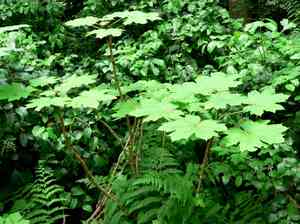
Devil's Club is a distinctive and resilient plant that naturally thrives in the shaded forest understory. Frequently found in the rich, damp soils of North American temperate rainforests, it flourishes in settings where direct sun is scarce. These native conditions, marked by dense tree cover, ensure Devil's Club receives filtered light rather than strong, direct sun. Such environments mirror the plant's preference for deep shade, indicating that Devil's Club is best suited for areas with minimal light exposure.
How light impacts Devil's Club growth
Light is a vital element for the growth and vitality of any plant, including Devil's Club. Excessive light can cause the plant to become stressed and result in leaf scorch. Conversely, the appropriate amount of low-intensity light, found in shaded or partly shaded spots, allows Devil's Club to grow vigorously. In its ideal habitat, Devil's Club develops large, lush, green foliage, and its development is robust. Inadequate or excessive light exposure disrupts its natural growth cycle, often leading to weaker plants with pale, discolored leaves.
Optimal Light Conditions for Devil's Club
Ideal light duration for Devil's Club
For Devil's Club, the perfect light condition is full shade. This means it should receive less than 3 hours of direct sun daily. Full shade doesn't imply total darkness but rather dappled light filtering through taller tree canopies. These are the conditions where Devil's Club naturally excels. It's crucial to replicate these conditions as closely as possible if you're cultivating Devil's Club in your garden.
Partial shade versus full shade for Devil's Club
Devil's Club can endure partial sun, meaning it can cope with 3-6 hours of sunlight. However, too much exposure can lead to stressed plants. Therefore, full shade environments are optimal. If planting in areas with more sun exposure, providing some form of cover, like a nearby taller plant or artificial shading, can help maintain the correct light balance.
Indoor Devil's Club Light Requirements
Can Devil's Club flourish indoors?
Yes, Devil's Club can be grown indoors provided its light needs are met. Indoor cultivation offers the benefit of more effective light control. Position the plant in areas of your home that mimic its natural shaded habitat. Avoid windows with direct sun, as too much light can harm the plant's delicate leaves.
Best indoor lighting for Devil's Club
For indoor growth, select spots like north-facing windows that receive indirect, gentle light. You can also use sheer curtains to diffuse stronger light from east or west-facing windows. The aim is to keep the lighting consistent with the plant's native environmentâshady and dimly lit. Regular monitoring of light exposure is essential to ensure Devil's Club remains healthy indoors.
Seasonal Light Variations for Devil's Club
How do seasonal changes affect light needs?
Seasonal shifts can impact the amount of light your Devil's Club receives. During summer, the sun is more intense and can reach more areas of your garden or home. In contrast, winter brings shorter days and less intense light. Understanding these changes is vital for adjusting the plant's environment to prevent stress.
Adjusting light exposure across different seasons
To adapt to seasonal changes, you might need to move your Devil's Club plant depending on the time of year. In summer, ensure it's kept in the shadiest part of your garden or room. During winter, relocate the plant to areas with more consistent indirect light. Doing so will mimic its natural seasonal light variations and support healthy growth.
Signs of Improper Light Exposure in Devil's Club
Symptoms of excessive light
If your Devil's Club is exposed to too much light, you might observe scorched leaves that appear brown or bleached. The plant may also show signs of wilting and have stunted growth due to excessive stress from direct sun. These are clear indicators that your plant requires more shade.
Indicators of insufficient light
Insufficient light, though less common for Devil's Club, can also impact its growth. Symptoms include pale or yellowing leaves and weak, leggy stems. Ensuring at least a minimal amount of indirect light can help prevent these issues and keep your Devil's Club thriving.



