How Much Sunlight Do Lindheimer's beeblossom Need?
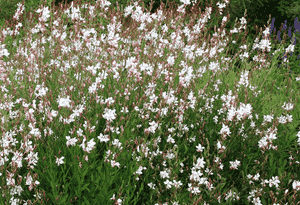
1
Lindheimer's beeblossom flourishes optimally with over 6 hours of direct sunlight each day.
2
It endures some shade, though this might result in fewer blooms.
3
Proper placement of the plant in your garden can maximize its sun exposure.
Optimal Light Conditions for Lindheimer's beeblossom
Abundant Sun Exposure
Lindheimer's beeblossom thrives in bright light. For best development, position this plant where it can receive direct sunlight for a minimum of 6 hours daily. Full sun exposure not only encourages robust growth but also stimulates prolific blooming, enlivening your garden with its delicate flowers.
Partial Shade Adaptability
While Lindheimer's beeblossom prefers full sun, it is quite resilient and can endure partial shade. If full sun isn't feasible, the plant can still flourish in areas getting approximately 3-6 hours of daylight. However, it's important to note that this may lead to fewer blossoms compared to full sun conditions.
Daily Light Duration
Target at least 6-8 hours of direct sunlight for Lindheimer's beeblossom. Placing it in the south or west-facing areas of your garden where it can get ample afternoon sun is ideal. Monitoring the sunlight duration is a good practice to ensure your plant receives the correct amount needed for healthy development.
How to Position Lindheimer's beeblossom for Best Light
Prime Garden Spots
Identify locations in your garden that receive the most sunlight. Positioning Lindheimer's beeblossom in south or west-facing areas often yields the best results. Avoid spots heavily shaded by trees or structures, as insufficient light can impede its growth and flowering.
Container Growing for Versatility
For increased adaptability, consider cultivating Lindheimer's beeblossom in pots. This enables you to relocate the plant to capture optimal sunlight throughout the day. Across different seasons, you can easily adjust its placement to guarantee it gets adequate daylight.
Seasonal Light Adjustments
Sunlight availability changes with the seasons. In spring and summer, when the sun is higher, ensure your plant isn't overshadowed by taller vegetation. During autumn and winter, you might need to reposition containers or prune overhanging branches to maintain the necessary light exposure for Lindheimer's beeblossom.
Indicators of Too Much or Too Little Sun for Lindheimer's beeblossom
Signs of Excessive Light
If Lindheimer's beeblossom receives too much sunlight, you might observe leaf scorching or browning edges. The flowers can also appear faded. Providing some shade during the hottest part of the afternoon can help alleviate these symptoms.
Signs of Insufficient Light
Inadequate sunlight can cause Lindheimer's beeblossom to become leggy, with sparse, elongated stems and fewer blooms. The plant might also display a lack of vigor, appearing weak and underdeveloped.
Remedial Actions
For overexposure, offer temporary shade with garden netting or move potted plants. For insufficient light, consider trimming nearby plants to allow more sunlight, relocating the plant to a brighter spot, or utilizing artificial lighting solutions.
Utilizing Artificial Illumination for Lindheimer's beeblossom
Types of Supplemental Lighting
LED and fluorescent grow lights are effective alternatives to natural sunlight for Lindheimer's beeblossom. These lights can supply the full spectrum of light the plant requires for growth and flowering.
Placement of Grow Lamps
Position grow lights approximately 30-45 cm (12-18 inches) above the plant to simulate natural sunlight. Ensure the placement allows for uniform light distribution across the entire plant.
Duration of Artificial Illumination
If using artificial lights, aim for about 12-16 hours of light daily. Replicating the natural day-night cycle as closely as possible helps maintain Lindheimer's beeblossom's health.



