How Much Sunlight Do Narrowleaf evening primrose Need?
1
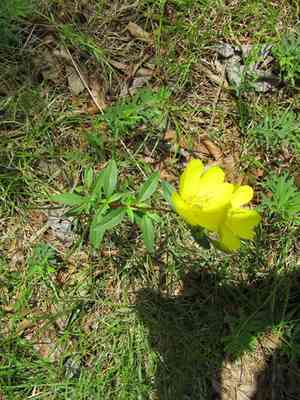
Narrowleaf evening primrose flourishes optimally with more than 6 hours of direct sun exposure.
2
Monitoring the plant's foliage can indicate whether it's receiving insufficient or excessive sunlight.
3
Although full sun is preferred, Narrowleaf evening primrose can endure some partial shade, particularly in warmer regions.
Optimal Light Conditions for Narrowleaf evening primrose
Full Sun Requirements
For the Narrowleaf evening primrose to thrive, it needs ample sunlight, typically exceeding six hours daily. This beloved perennial originates from areas with extended summer days and flourishes in conditions mirroring its natural habitat. Full sun promotes vibrant flowers and robust development. Position it where it receives direct sunlight to witness its best blooming phase. Target locations with unobstructed light, such as south-facing gardens or open areas free from taller plants or structures that could cast shadows.
Partial Sun Tolerance
While Narrowleaf evening primrose prefers full sun, it can adapt to spots with partial sunlight, getting three to six hours of direct sun daily. This adaptability can be especially beneficial in warmer climates where intense midday sun might be too harsh. By placing the plant in an area that gets morning sun and afternoon shade, you can still achieve decent growth and flowering, though potentially with fewer blooms compared to those grown in full sun.
How to Track and Modify Light Exposure
Utilizing Light Meters
Light meters are useful instruments that can help ensure your Narrowleaf evening primrose receives the correct amount of illumination. These devices measure the strength and duration of sunlight in a specific spot, giving you precise data for making necessary changes. Position the meter at the plant's height for optimal readings. If the measurements indicate low light levels, consider relocating the plant to a brighter area.
Observing Natural Cues
Plants, including the Narrowleaf evening primrose, often show clear indicators of their environmental preferences. If the leaves appear pale or stretched, it might signal insufficient light. Conversely, crisp or scorched leaves could suggest too much direct sun. Regularly checking the plant's foliage and overall health can help you make timely adjustments to its light exposure, ensuring optimal development.
Common Light-Related Issues and Solutions
Signs of Insufficient Light
A Narrowleaf evening primrose not getting enough light will often exhibit symptoms like spindly stems, fewer flowers, and light green leaves. To fix this, gradually move the plant to a sunnier location, ensuring the transition isn't too sudden, which can stress the plant.
Addressing Sunburn
Excessive light exposure can cause sunburn in Narrowleaf evening primrose, characterized by brown, crispy edges or white patches on the leaves. If sunburn is detected, provide temporary shade using garden netting or move the plant to a spot with partial afternoon shade. Consistent watering can also aid recovery by maintaining adequate soil moisture.
Seasonal Changes in Light
Summer Light Considerations
During summer, the intensity and duration of light increase. For Narrowleaf evening primrose, this season can be both advantageous and challenging. Ensure the plant remains well-hydrated and consider mulching to help retain soil moisture. In extremely hot regions, providing some afternoon shade can prevent potential sunburn and stress.
Winter Light Adjustments
Winter brings shorter days and reduced light intensity. To compensate, place Narrowleaf evening primrose in the brightest available spot, such as a south-facing window if grown indoors. If possible, use grow lights to supplement natural light, ensuring the plant continues to photosynthesize and stay healthy.



