How Much Sunlight Do Mickey Mouse plant Need?
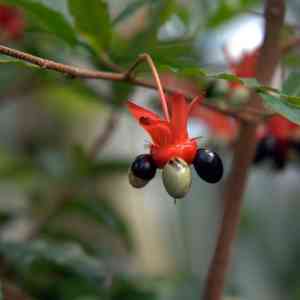
1
The Mickey Mouse plant flourishes in areas receiving partial sunlight, preferably 3 to 6 hours daily.
2
Excessive sunlight can cause the Mickey Mouse plant to experience sun damage and other issues.
3
While the Mickey Mouse plant tolerates low light, it might show reduced growth and fewer blooms.
What are the Sunlight Requirements for Mickey Mouse plant?
Optimal Sunlight Conditions
The Mickey Mouse plant thrives in situations with partial sun exposure. This generally means it needs roughly 3-6 hours of either direct or moderate sunlight daily. While capable of enduring full sun, it generally prefers locations that offer some shade, particularly during the day's hottest periods. Gardens or spots with dappled sunlight, like beneath tree canopies or near structures that offer intermittent shade, are perfect.
Amount and Duration of Sunlight
Ensuring your Mickey Mouse plant gets 3 to 6 hours of sunlight daily is essential for its development and vitality. This equilibrium enables the plant to photosynthesize effectively without being subjected to potential harm from excessive, scorching sunlight. Morning sunlight, which is less intense, is preferable, and it's advantageous to shield the plant from the strong afternoon sun.
Adjusting Light for Different Seasons
Variations throughout the year can significantly affect the amount of sunlight your Mickey Mouse plant receives. In the spring and summer, the sun's intensity increases, potentially requiring you to move the plant to a slightly shadier location. Conversely, during autumn and winter, longer shadows and weaker sunlight might necessitate relocating it to a sunnier spot. Consistently monitor the plant's state and adjust its position according to its requirements.
Can the Mickey Mouse plant Tolerate Low Light?
Symptoms of Insufficient Light
The Mickey Mouse plant can adapt to dimly lit environments but frequently displays several indicators when it isn't receiving enough light. These include stretched or elongated stems, smaller and paler foliage, and reduced or absent blooming. If you observe these signs, it's a clear signal that your plant requires more sunlight.
Tips to Increase Light Exposure
If your Mickey Mouse plant is not receiving adequate illumination, there are several methods to enhance its light exposure. Firstly, consider moving it to a brighter area, such as a window that gets indirect sunlight. Additionally, trimming nearby plants or objects that cast shadows on the plant can be helpful. If natural light is inadequate, contemplate supplementing with artificial grow lights positioned approximately 12-18 inches (30-45 cm) above the plant.
What are the Risks of Too Much Sunlight for Mickey Mouse plant?
Signs of Sunburn or Overexposure
Excessive sunlight can be detrimental to the Mickey Mouse plant, leading to sunburn or overexposure. Symptoms to look out for include scorched or browning leaf edges, wilting despite sufficient watering, and bleached or faded foliage. These indicators suggest that the plant is receiving too much direct sunlight.
Protecting from Harsh Sunlight
To safeguard your Mickey Mouse plant from intense sunlight, consider utilizing shade cloth or moving the plant to an area with filtered light, such as beneath a pergola or trees. For indoor plants, employ sheer curtains to diffuse direct sunlight. Ensure the plant receives morning light rather than strong afternoon rays, which are more prone to causing damage.
Best Placement for Optimal Sunlight
Indoor Placement
Indoors, position the Mickey Mouse plant near a bright, east or west-facing window where it can benefit from morning sunlight and avoid the intensity of the afternoon sun. Windows equipped with sheer curtains can provide an excellent balance of light without the risk of sunburn.
Outdoor Placement
For outdoor positioning, select a spot that receives partial sun, ideally where the plant can enjoy the morning sunlight but is protected during the afternoon. This could be under the overhangs of a house, beneath larger vegetation, or in areas with dappled shade.
Using Artificial Light
If natural light is insufficient, particularly in indoor settings or during colder months, the use of artificial illumination can be beneficial. LED or fluorescent grow lights are effective and should be placed 12-18 inches (30-45 cm) above the plant. Ensure the lights are active for approximately 12-16 hours daily to emulate the natural light cycle.



