How Much Sunlight Do Love-in-a-mist Need?
1
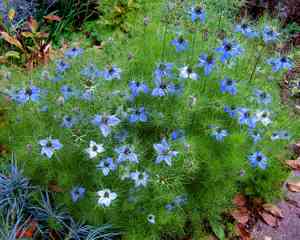
Love-in-a-mist thrives when exposed to more than 6 hours of unfiltered sunlight daily.
2
Love-in-a-mist can endure some filtered light, though it might reduce the plant's capacity for abundant flowering.
3
Consistent observation and adaptation to varying sunlight patterns throughout the year will enhance your Love-in-a-mist's development and vitality.
Ideal Light Requirements for Nigella damascena
Daily Light Duration Needed
Nigella damascena flourishes best in complete sunlight, necessitating over six hours of direct solar exposure daily. While it can endure partial shading, its blooming may be less abundant under such conditions. For peak growth, position your plant where it has unrestricted access to the sun.
Prime Planting Locations
Selecting the correct spot for Nigella damascena in your garden is vital. Excellent positions include south or west-facing areas where the plant can receive maximum daylight. If you garden in an area with particularly intense sun, a location that gets morning light but is shielded from harsh afternoon rays can also be effective.
Consequences of Insufficient Light on Nigella damascena
Indicators of Light Deprivation
If Nigella damascena isn't receiving enough light, you'll observe several clear indicators. The plant might develop elongated, weak stems as it stretches for light. Furthermore, you may notice fewer and smaller blossoms, and the foliage could appear a lighter green hue.
Correcting Light Deficiencies
To remedy inadequate light, think about moving your plant to a brighter location. If relocating isn't possible, trimming nearby plants that create shadows or utilizing reflective surfaces to redirect light can be beneficial. Also, ensure the plant has proper spacing to avoid competition for sunlight.
Issues Arising from Excessive Light
Signs of Overexposure
Too much sunlight can lead to scorched and browned leaves on Nigella damascena. Wilting and sunburnt spots on the foliage also indicate that the plant is getting too much direct solar radiation. In severe cases, this can negatively impact the plant's overall vigor.
Preventing Sun Damage
Avoid sun damage by making sure your Nigella damascena receives sufficient but not excessive sunlight. If you observe signs of overexposure, consider providing some afternoon shade, especially during the warmest part of the day. Employing shade cloth or situating the plant near taller vegetation that offers dappled light can also help.
Seasonal Light Adaptations for Nigella damascena
Adjusting to Seasonal Shifts
Nigella damascena can adapt to seasonal variations in light, but it will require more attention during these transitions. In spring and summer, modify the plant's position or use garden aids to ensure it gets full sun. During fall and winter, when sunlight is less intense, reducing the amount of direct sun exposure can prevent plant stress.
Climate-Specific Adjustments
Different climates demand varied approaches. In cooler regions, maximizing sunlight is crucial, so place the plant where it can receive the most sun throughout the day. Conversely, in warmer climates with strong sun, offering some afternoon shade can protect Nigella damascena from scorching. These modifications ensure the plant remains vibrant and healthy year-round.



