How Much Sunlight Do Apple-of-peru Need?
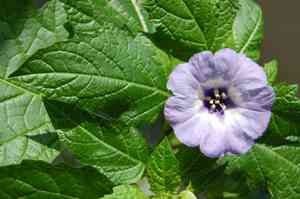
1
Apple-of-peru prospers with direct sun exposure, ideally exceeding six hours daily.
2
Shaded light might be advantageous in the height of summer to avoid scorching foliage.
3
Regularly monitoring the plant aids in promptly detecting and resolving sun exposure problems.
Understanding Sunlight Requirements for Apple-of-peru
Why Sunlight is Crucial for Apple-of-peru
Sunlight serves as the primary energy source for Apple-of-peru, facilitating photosynthesis which is essential for its development. Sufficient sunlight enables the plant to generate the necessary nutrients to sustain its vivid foliage and blossoms. Without enough sunlight, Apple-of-peru may display inhibited growth and diminished vitality.
Ideal Sunlight Conditions for Apple-of-peru
Apple-of-peru thrives in full sun exposure. Ideally, it should receive over 6 hours of direct sunlight daily. Positioning it in a bright, sunny location will encourage robust growth and maximize its blooming potential. However, it can tolerate partial sun during extremely hot afternoons to avoid severe heat stress.
Direct Sunlight vs. Indirect Sunlight for Apple-of-peru
Benefits of Direct Sunlight
Direct sunlight is vital for Apple-of-peru as it delivers the intensity required for vigorous growth. Plants exposed to ample direct sunlight often develop stronger stems, more abundant flowers, and leaves with richer coloration. Nevertheless, it's crucial to monitor Apple-of-peru for any indications of stress or burns, especially at midday when the sun is strongest.
When to Opt for Indirect Sunlight
During the warmest parts of summer, indirect sunlight can safeguard Apple-of-peru from excessive heat damage. Indirect sunlight provides adequate light for the plant without the danger of leaf scorching or dehydration. Placing the plant near a bright window or using sheer curtains to diffuse direct sunlight are effective methods to ensure it receives sufficient yet gentle illumination.
Positioning Your Apple-of-peru for Optimal Sunlight
Best Locations for Apple-of-peru at Home
For indoor placement, south-facing windows are optimal as they offer the most consistent light throughout the day. East-facing windows can also work well, providing bright morning light. If the plant starts to show signs of inadequate sunlight, such as sparse foliage or etiolation, consider relocating it to a brighter spot.
Utilizing Outdoor Spaces for Better Sun Exposure
When Apple-of-peru is cultivated outdoors, ensure it is situated in a location that receives abundant sunlight. Garden beds, patios, and decks that enjoy full sun are excellent choices. Additionally, confirm the soil is well-drained to prevent root rot, which can be worsened by full sun exposure combined with excessive watering.
Signs Apple-of-peru is Getting Too Much or Too Little Sunlight
Indicators of Excessive Sun Exposure
If Apple-of-peru is subjected to too much sunlight, its leaves may exhibit symptoms of sunburn, such as brown, crispy margins or spots. The plant might also wilt despite adequate hydration. In such instances, provide temporary shade or move the plant to lessen sun exposure during the most intense periods.
Symptoms of Insufficient Sunlight
When Apple-of-peru does not receive enough sunlight, it may become stretched and produce fewer blossoms. The leaves might turn yellow, and growth can become inhibited. If these signs are observed, gradually move the plant to a brighter location to allow it to adjust to increased light without shock.
Adjusting Sunlight Exposure for Seasonal Changes
Sunlight Needs During Summer
During summer, when solar intensity is higher, Apple-of-peru might require some protection during the hottest hours of the day. Employing light shade cloths or moving potted plants to slightly shaded areas during peak sunlight can help prevent leaf burn.
Adjusting for Winter Months
In winter, sunlight is less intense and available for fewer hours. Positioning Apple-of-peru in the brightest possible spot, such as south-facing windows, is essential. You might even consider using grow lights to supplement natural sunlight, ensuring the plant receives at least 6 hours of light daily.
Additional Tips for Healthy Apple-of-peru Growth
Balancing Watering with Sunlight
The combination of sunlight and appropriate watering is crucial for Apple-of-peru's well-being. Ensure the soil remains consistently moist but not saturated. Overwatering can lead to root rot, especially if the sunlight is insufficient to help the soil dry out between waterings.
Using Reflective Surfaces to Enhance Light
Reflective surfaces such as white walls or light-colored stones positioned around the plant's base can help boost the light available to Apple-of-peru. This is particularly beneficial for indoor plants or outdoor areas with partial shade. Strategically utilizing these reflective surfaces can improve light exposure and overall plant health.



