How Much Sunlight Do Common swamp pitcher-plant Need?
1
The Common swamp pitcher-plant flourishes optimally with partial sun exposure, receiving approximately 3-6 hours of direct sunlight each day.
2
While capable of enduring both full sun and complete shade, this plant achieves its best performance under conditions of partial sunlight.
3
Fluctuations in light intensity throughout the year may impact the development and vitality of your Common swamp pitcher-plant.
Ideal Light Conditions for Sarracenia purpurea
Understanding Light Levels
The Sarracenia purpurea flourishes best in partial sun exposure, requiring approximately 3-6 hours of daily sunlight. This range offers adaptability to meet your plant's specific needs. Both direct and indirect illumination are vital for maintaining its health.
Importance of Direct vs. Indirect Light
Balancing direct and indirect light significantly influences the vitality of your Sarracenia purpurea. A few hours of direct morning or late afternoon sun is perfect, while intense midday sun should be avoided to prevent leaf scorching. Indirect light is sufficient for the remainder of the day, aiding photosynthesis without stressing the foliage.
Seasonal Sunlight Variations
Light strength and duration shift considerably with the seasons. During summer, when sunlight is strong, positioning the plant where it receives filtered light can be advantageous. Conversely, in fall and winter, when light is weaker, moving the plant to a brighter spot can compensate for reduced illumination.
Indicators of Overexposure to Sun for Sarracenia purpurea
Leaf Discoloration and Burn Marks
Initial signs of excessive sun exposure for your Sarracenia purpurea include leaf discoloration. Yellowing leaves or brown, scorched areas indicate sunburn. If these symptoms appear, try moving the plant to a less intensely lit location.
Wilting and Dryness
Too much sunlight can lead to rapid moisture loss, resulting in wilting and dryness. Monitor the soil's moisture and the plant's overall hydration, and consider repositioning the plant if it shows signs of stress.
Indicators of Insufficient Sun for Sarracenia purpurea
Slow Growth Rate
If your Sarracenia purpurea isn't getting enough sunlight, a noticeable symptom is a diminished growth rate. The plant might grow sluggishly or appear stunted. Ensuring adequate light can help re-establish its growth pace.
Fading Leaf Color
Another indicator of inadequate sunlight is a dulling of leaf coloration. If the vibrant green of your Sarracenia purpurea begins to fade, it likely requires more light. Relocating it to a brighter area can enhance its hue.
Lack of Pitcher Formation
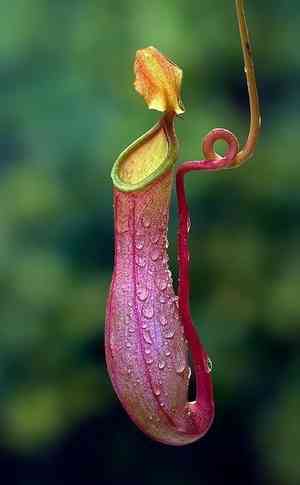
The Sarracenia purpurea is recognized for its distinctive pitcher-shaped leaves, which may not develop correctly if the plant lacks sufficient sunlight. Ensuring it receives the recommended 3-6 hours of partial sunlight daily can aid in the proper formation of these unique structures.
Methods for Managing Sunlight Exposure
Utilizing Shade Cloths
Shade cloths offer a practical method to control the amount of sunlight your Sarracenia purpurea receives, especially during peak summer months. These fabrics filter light, lessening its intensity and safeguarding your plant from potential sunburn.
Indoor Placement Strategies
For indoor Sarracenia purpurea cultivation, positioning is vital. A well-lit, east-facing window can provide an optimal mix of morning sun and afternoon shade. Rotating the plant occasionally also ensures uniform light exposure.
Adapting to Seasonal Changes
As seasons shift, natural light levels will fluctuate. During winter, consider moving the plant to a sunnier spot, such as a south-facing window. In summer, you might need to relocate it to avoid harsh midday sun or provide supplementary shade.



