How Much Sunlight Do North's false flag Need?
1
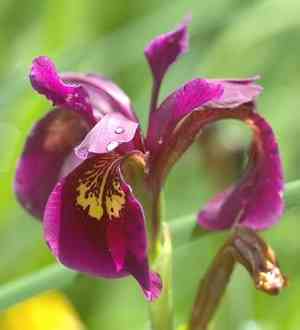
North's false flag flourishes optimally with moderate sun exposure, ideally receiving approximately 3-6 hours of direct light each day.
2
Although North's false flag can endure complete shade, its growth and vitality will be diminished compared to when it receives adequate sunlight.
3
Periodically inspect the plant for indications of excessive or insufficient sun to guarantee its well-being and development.
Optimal Light Exposure for North's false flag
Preferred Sunlight Conditions
North's false flag thrives in partial sun, needing around 3-6 hours of direct sunlight daily. A mix of morning sun and afternoon shade is ideal, mimicking its natural habitat. Excessive direct sun can stress the plant, while too little hinders its development.
Signs of Excessive Sun Exposure
If your North's false flag gets too much sun, its leaves might curl or show brown, scorched edges. Extended exposure can cause wilting, and the vibrant green color may fade. It's crucial to observe these indicators and adjust the plant's position accordingly.
Signs of Insufficient Sun Exposure
Lack of sunlight can make North's false flag grow leggy, with elongated stems and sparse foliage. The plant's robust growth may diminish, and its leaves might become pale green or yellow. Early detection of these signs helps in making necessary light adjustments.
Optimal Locations for Light
Indoor Placement
For indoor cultivation, position your North's false flag near a window that offers ample indirect light. East-facing windows are perfect, providing gentle morning sun without intense afternoon heat. Avoid placing it in direct harsh midday sun or in dark, unlit areas.
Outdoor Placement
Outdoors, select a spot with filtered sunlight or partial shade for your North's false flag. Areas beneath large tree canopies or next to a building that provides afternoon shade are excellent. Ensure the plant is shielded from strong winds and severe weather.
Adjusting Light for North's false flag
Utilizing Shade Cloth
A shade cloth can effectively manage the sunlight your North's false flag receives, especially during very sunny periods. Depending on sun intensity, use a cloth that blocks 30-50% of light. Position it above the plant to offer adequate protection without completely obscuring all light.
Repositioning the Plant
If your North's false flag shows signs of sun stress, carefully move it to a more suitable spot. For indoor plants, shifting it a few feet from the window can significantly help. Outdoor plants might need relocation to a shadier area or temporary shade until conditions improve.
Employing Grow Lights
In regions with limited natural light, particularly in winter, consider supplementing with grow lights. LED grow lights can supply the necessary light spectrum for North's false flag's healthy growth. Place lights about 30-60 cm (1-2 feet) above the plant and operate them for approximately 8-12 hours daily.
Seasonal Light Adjustments
Winter Adjustments
During colder months, the sun's angle and intensity change, often leading to reduced indoor light. To compensate, move your North's false flag closer to a light source, like a south-facing window. Ensure the plant is not exposed to cold drafts from windows or doors.
Summer Sun Management
In summer, sun intensity can be quite strong. Consider giving your North's false flag more shade during peak sunlight hours to prevent leaf scorching. Mulching the soil can also help retain moisture, keeping the plant hydrated in the heat.
Common Questions About North's false flag Light Needs
Can North's false flag thrive in dim light?
While North's false flag can endure low light, it flourishes best with partial sunlight (3-6 hours of direct light daily). Extended periods of low light can result in weak growth and reduced vitality.
What is the optimal time of day for sunlight?
Morning sunlight is generally best for North's false flag as it is less intense. Aim to place the plant where it gets ample morning sun, but with some protection from harsh afternoon rays.
How to determine if my plant gets adequate sun?
Regularly observe your North's false flag. Healthy leaves, robust growth, and vibrant color indicate proper sun exposure. If you notice signs of distress like curling or discolored leaves, re-evaluate the plant's light and make necessary changes.



