How Much Sunlight Do Poet's narcissus Need?
1
Poet's narcissus flourishes with a minimum of six hours of direct sun exposure each day.
2
Ensure Poet's narcissus is not placed in locations where it could be shaded by larger vegetation or buildings.
3
Should natural illumination be inadequate, using supplemental grow lights can support robust development.
Optimal Light Requirements for Poet's Narcissus
Full Sun Versus Partial Shade
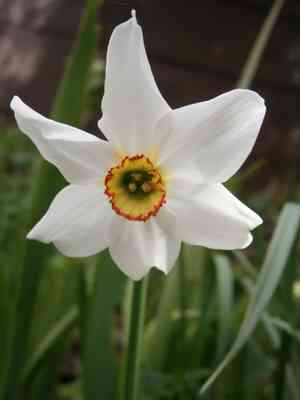
Poet's narcissus enhances any garden with its lovely white petals and vibrant central cup. For peak performance, these plants prefer full sun, requiring a minimum of 6 hours of direct sunlight daily. However, they are quite adaptable and can handle partial shade, which means receiving about 2 to 4 hours of direct sun each day, with filtered or indirect light for the remainder. Choosing full sun promotes the best development and most abundant flowering.
Daily Light Duration
Consistent daily light exposure is vital for Poet's narcissus. Position them in a spot that receives ample morning sun, which is typically less intense and helps the plant photosynthesize efficiently without the stress of midday heat. If you reside in a region with particularly hot afternoons, some afternoon shade can shield the foliage and blossoms from scorching.
Light for Flowering
The appeal of Poet's narcissus lies in its exquisite flowers. Light plays a critical role in this process. Peak blooming occurs when the plant has access to full sun. Faint or sparse blooms often indicate insufficient light. Therefore, ensuring your Poet's narcissus gets enough sun can result in a magnificent floral display in the spring.
Impacts of Insufficient Light on Poet's Narcissus
Signs of Too Little Light
When Poet's narcissus lacks adequate light, it may display several indicators. Common signs include elongated, spindly growth as the plant reaches for light, pale or yellowing leaves suggesting poor photosynthesis, and a noticeable decrease in flowering. These symptoms reveal that the plant is struggling to absorb the necessary light for its health and vigor.
Problems with Overexposure
While light is essential, excessive direct exposure, particularly to intense afternoon sun, can cause issues like leaf scorch. Leaves might develop brown, crispy edges, and the plant's overall vitality could diminish. Thus, it's crucial to monitor your plant and, if needed, provide some afternoon shade to prevent overexposure.
Balancing Light for Optimal Growth
The key to a flourishing Poet's narcissus is to balance light exposure. Aim for a location that offers abundant morning sun but is protected from the harshest midday rays. This balance ensures the plant receives enough light for vigorous growth and blooming without the harmful effects of overexposure.
How to Maximize Light for Poet's Narcissus
Selecting the Correct Location
When planting Poet's narcissus, carefully choose a spot in your garden that offers full sun to partial shade. Avoid areas where taller plants or structures might cast shadows, as this can hinder their access to sufficient light. Consider planting them in a south-facing spot for maximum light exposure.
Utilizing Supplemental Light
If your garden does not receive enough natural light, especially during shorter winter days, you can use artificial grow lights to meet their light requirements. LED grow lights are an excellent option as they provide the necessary light spectrum for photosynthesis while being energy-efficient. Position the lights approximately 30-45 cm (12-18 inches) above the plants for optimal results.
Seasonal Light Adjustments
Adjusting light exposure according to the changing seasons is vital for the health of Poet's narcissus. In autumn and winter, the sun is lower and days are shorter, so ensure they are in the sunniest available spot. In summer, be mindful of intense afternoon sun, which might necessitate providing some shading solutions to protect your plants.



