How Much Sunlight Do Paperwhite narcissus Need?
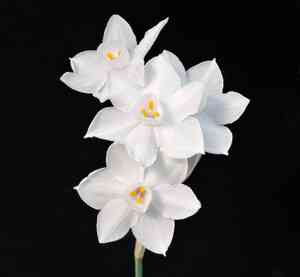
1
Paperwhite narcissus flourish receiving a minimum of 6 hours of solar exposure each day.
2
Excessive direct solar radiation may cause burning on the foliage of Paperwhite narcissus.
3
Some filtered light can be advantageous during the day's peak heat.
Ideal Light Exposure for Paperwhite Narcissus
Direct Sun vs. Partial Shading
Achieving the correct amount of light for your Paperwhite narcissus demands a balanced approach. These plants ideally require a minimum of 6 hours of direct solar exposure daily. Unfiltered sunlight, known as full sun, can boost their development and flower production. However, during the warmest hours of the day, typically between 10 AM and 4 PM, intense sun might potentially harm the plant. To prevent leaf burn, a location with partial shade, which offers sun protection while still providing ample illumination, can be beneficial.
Indoor vs. Outdoor Illumination
The light conditions for your Paperwhite narcissus can differ significantly depending on whether they are kept indoors or outdoors. Outside, they naturally receive abundant sunlight if positioned in a bright location. Indoors, it's vital to place them near a window that gets plenty of natural light, preferably a south-facing one. If natural light is limited, consider supplementing with artificial light sources. Outdoors, remember to shield them from the strong midday sun, especially in warmer climates, to prevent scorching.
Adjusting Sunlight for Paperwhite Narcissus
Indicators of Excessive Sun
Too much sunlight can be detrimental to your Paperwhite narcissus. Watch for signs like wilting foliage, browned edges, or burnt spots. If these symptoms appear, it clearly indicates your plant is getting too much direct solar exposure. To remedy this, provide shade during peak sun hours or relocate potted plants to an area with less intense light.
Indicators of Insufficient Sun
Conversely, too little sunlight can also negatively affect your Paperwhite narcissus. Common signs of inadequate sunlight include elongated stems, pale leaves, and poor flowering. If your plant displays these symptoms, increase its light exposure by moving it to a brighter spot or supplementing natural light with grow lamps.
Optimal Practices for Light Management
Seasonal Adaptations
Seasonal shifts can influence the quantity and intensity of light your Paperwhite narcissus receives. In summer, when the sun is strongest, consider placing your plant where it gets morning sunlight and afternoon shade. Conversely, during winter months, maximize exposure to any available sunlight by positioning the plant in the brightest part of your home or garden.
Utilizing Grow Lights for Paperwhite Narcissus
If natural light is insufficient, especially during shorter winter days, grow lights can be an excellent supplement. Full-spectrum grow lights that replicate natural sunlight are ideal. Position these lights 15-30 centimeters (6-12 inches) above the plant and leave them on for approximately 12-14 hours daily. This arrangement can help ensure your Paperwhite narcissus receives enough light to flourish.
Frequently Asked Questions about Paperwhite Narcissus Sunlight
Can Paperwhite Narcissus Thrive in Low Light?
While Paperwhite narcissus can endure low light conditions for short periods, they perform best with more illumination. Extended low-light environments can result in weak development and fewer blossoms. Therefore, it's advisable to provide them with as much natural light as possible or use supplementary artificial lighting as needed.
How Many Hours of Sunlight Does Paperwhite Narcissus Need Daily?
For prime growth, Paperwhite narcissus should receive at least 6 hours of sunlight each day. This exposure supports healthy foliage and abundant flowering. On especially hot days, providing partial shade can safeguard them from harm, while still enabling them to thrive.



