How Much Sunlight Do Compact grape hyacinth Need?
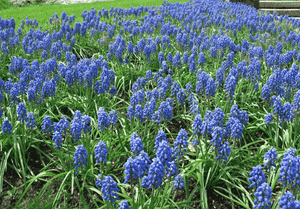
1
Compact grape hyacinth flourishes optimally with ample sunlight, receiving over six hours of direct sun each day.
2
While this plant can endure some shade, its flowering might be less abundant.
3
A light meter can assist you in verifying your Compact grape hyacinth receives suitable light conditions.
Understanding the Light Requirements of Compact grape hyacinth
Optimal Light for Vigorous Growth
For Compact grape hyacinth to thrive, it needs full sun exposure, meaning a minimum of 6 hours of direct sunlight each day. Full sun conditions help these plants develop strong, healthy foliage and promote abundant, vivid blooms. When placed in areas with ample sunlight, you'll observe more intense color and an improved growth rate, ensuring your garden remains both beautiful and healthy.
Impact of Varying Light Conditions
Compact grape hyacinth can endure partial sun, which translates to 3-6 hours of sun daily. While this lowers the chance of sun scorch, it might also lessen the plant's blooming capability. Insufficient light can lead to fewer or less vibrant flowers. Conversely, excessive direct sunlight without any shade protection can cause leaf burn and shorten the plant's flowering period. Therefore, balancing sun exposure is vital for peak development.
How to Gauge and Monitor Light Exposure for Compact grape hyacinth
Tools and Methods for Assessing Sunlight
It's important to measure and keep track of the sunlight exposure your Compact grape hyacinth receives. A useful tool is a sunlight meter, which provides precise readings of light levels in a specific area. You can also utilize smartphone applications designed to monitor sunlight exposure throughout the day. Consistent monitoring assists in making timely adjustments, such as relocating the plant if it's not getting enough sun.
Repositioning to Maximize Light
After assessing light exposure, you might discover that your Compact grape hyacinth isn't receiving adequate light. In such instances, moving the plant can make a notable difference. Placing the plant in a spot with more direct sunlight, ideally with some morning sun and slight afternoon shade, can optimize its growth. If garden adjustments aren't feasible, consider potting the plant for greater flexibility in finding the ideal sunny location.
Common Sunlight Issues and Solutions for Compact grape hyacinth
Identifying Sunburn and Shade Stress
Sunburn and shade stress are frequent problems affecting Compact grape hyacinth. Signs of sunburn include browning or scorched leaves, whereas shade stress often results in yellowing or less vivid blossoms. Observing these symptoms is crucial for quickly diagnosing plant issues. Regularly inspect your plant for indicators of stress to implement immediate corrective actions.
Preventative Strategies and Treatments
To avert sunburn, ensure your Compact grape hyacinth gets early morning sunlight with afternoon protection. Mulching can also aid in moisture retention. Conversely, if dealing with shade stress, gradually exposing the plant to increased sunlight will help it adapt. Should stress symptoms persist, consider employing a shade cloth to slowly regulate the amount of sunlight reaching the plant.
Seasonal Light Considerations for Compact grape hyacinth
Adjusting Light Exposure in Summer
During summer, when sunlight is most intense, your Compact grape hyacinth may need some protection from the harsh afternoon sun. Using light shade cloths or positioning the plant to receive morning sun and afternoon shade can reduce the risk of sunburn. Diligent watering is also critical during this season, as high temperatures can quickly dry out the soil.
Winter Care and Light
Winter brings shorter days and weaker sunlight. This is typically a dormant period for Compact grape hyacinth, and they require considerably less light. Ensure they still receive as much natural light as possible by placing them near windows if grown indoors. Reducing irrigation during this time can also help prevent problems linked to overwatering in low-light conditions.



