How Much Sunlight Do Tapeworm plant Need?
1
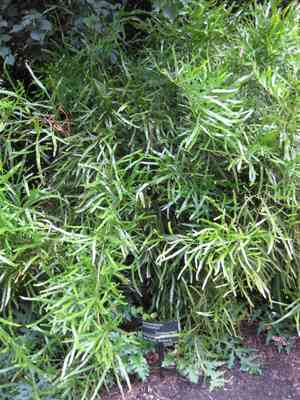
The Tapeworm plant flourishes most vigorously under abundant sunlight, needing over 6 hours of direct sun each day.
2
Insufficient light can lead to the Tapeworm plant developing an elongated and fragile appearance.
3
Though the Tapeworm plant can withstand some shade, its peak development occurs when exposed to ample sunshine.
Optimal Light Conditions for Ribbongrass
Direct vs. Diffused Illumination
For optimal growth and vitality, Ribbongrass thrives in direct sunlight. Placing it in direct sun allows maximal light absorption for photosynthesis, promoting strong growth and vibrant foliage. However, bright, indirect light is also suitable if direct sun isn't feasible. Avoid deep shade or very dim areas, as these can impede its development.
Daily Light Requirements
Ribbongrass needs at least 6 hours of direct sunlight daily to flourish. Ample light promotes sturdy stems and healthy leaves. If kept indoors, a south-facing window offers ideal light exposure. Outdoors, an open location ensures consistent sun throughout the day.
Seasonal Light Adaptations
Natural light levels change with the seasons. During summer, extended daylight and intense sun benefit Ribbongrass. In winter, shorter days and weaker sunlight may require moving the plant to a brighter spot or using supplemental lighting to ensure adequate light exposure. Monitoring light year-round ensures consistent, healthy growth.
Positioning Your Ribbongrass for Best Sunlight
Optimal Indoor Placement
Indoors, Ribbongrass thrives in spots receiving abundant sunlight. South-facing windows are ideal, but east or west-facing windows can also work if they provide bright light. Avoid placing the plant too far from windows, as light intensity diminishes rapidly with distance. Rotate the plant periodically for uniform light exposure on all sides.
Optimal Outdoor Placement
Outdoors, Ribbongrass should be positioned to receive full sun. Gardens or balconies with uninterrupted sunlight are perfect. Avoid areas consistently shaded by structures or trees, as this can limit light absorption. In extremely hot climates, some afternoon shade can prevent undue stress.
Preventing Sunburn: Indicators and Remedies
While essential, excessive direct sun, especially at midday, can cause Ribbongrass to sunburn. Signs include browning or scorched leaf edges. If noticed, move the plant to a slightly shaded area during the hottest part of the day for protection. Gradually acclimating the plant to direct sunlight can also help prevent burns.
Does Ribbongrass Need Supplemental Lighting?
Suitable Grow Light Types
When natural light is insufficient, grow lights can supply the necessary light spectrum for your Ribbongrass. Fluorescent or LED grow lights are effective choices. LEDs are particularly advantageous due to their energy efficiency and full-spectrum light output, which plants require.
Grow Light Setup
To set up grow lights for your Ribbongrass, position them 15-30 centimeters (6-12 inches) above the plant to simulate natural sunlight. Ensure the light covers the entire plant for balanced growth. Adjust the distance based on the plant's reaction; too close might cause burns, while too far reduces efficacy.
Artificial Light Duration and Strength
For ideal growth, Ribbongrass needs approximately 12-14 hours of artificial light daily, mimicking natural daylight hours. Using a timer ensures consistent light exposure. Regularly check light intensity and adjust as needed to ensure the plant receives adequate light without overexposure.
Common Light-Related Issues and Solutions for Ribbongrass
Signs of Light Deprivation
Symptoms of insufficient light for Ribbongrass include pale foliage, leggy growth, and stunted development. If these indicators appear, it's crucial to relocate the plant to a brighter spot or use grow lights to restore healthy growth.
Signs of Excessive Light
Overexposure to sunlight can cause leaf scorch, appearing as brown, brittle edges. If observed, gradually move the plant to a less intense light environment, allowing recovery without sudden shock. Providing partial shade during peak sun hours can also alleviate this problem.
Adjusting Light Exposure for Restoration
To help your Ribbongrass recover from light-related stress, adjust light exposure incrementally. For light deficiency, slowly increase the plant's time in brighter conditions. For excessive light, gradually reduce direct exposure. Continuously monitor the plant's health and make adjustments to maintain ideal conditions.
Frequently Asked Questions About Ribbongrass Light Needs
Can Ribbongrass Survive in Dim Light?
While Ribbongrass can endure dim light for brief periods, it will not flourish. Prolonged periods of low light can lead to weak, elongated growth. Ensuring the plant receives adequate light is vital for its health and vigor.
Which Window Direction is Best for Ribbongrass?
South-facing windows are perfect for Ribbongrass as they offer the most consistent and intense light. East and west-facing windows can also be suitable but might necessitate additional light adjustments to prevent over or under-exposure.
Is Morning Sun Preferable to Afternoon Sun?
Morning sunlight is typically milder and cooler, making it excellent for Ribbongrass. Afternoon sunlight can be more intense and harsh, potentially causing leaf scorch if not managed correctly. Aim to position the plant to receive ample morning light and some shielding from strong afternoon rays.



