How Much Sunlight Do Monstera obliqua Need?
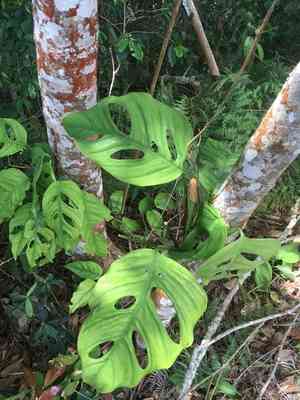
1
Monstera obliqua flourishes in well-lit areas with filtered light.
2
Intense sun exposure can lead to scorched foliage and fading color in your Monstera obliqua.
3
Should your Monstera obliqua exhibit faded leaves and stunted development, it likely requires increased light.
Optimal Illumination for Monstera obliqua
Understanding Native Environment
In its natural habitat, Monstera obliqua thrives in the humid, tropical rainforests of Central and South America. These areas feature a dense tree canopy, allowing only filtered light to reach the forest floor. This indicates the plant is naturally suited for low to moderate light levels, with ample diffused light reaching its leaves. Grasping this natural setting is vital for home care, guiding you in replicating these conditions.
Mimicking Indoor Conditions
To replicate these natural conditions indoors, position your Monstera obliqua where it receives bright, indirect illumination. A spot near an east or north-facing window is often perfect, as these locations provide soft morning light or consistent diffused light all day. Avoid placing the plant directly in front of south or west-facing windows unless filtered by a sheer curtain. Aim for under 3 hours of direct sun daily, and expect it to also flourish in partial sun.
Direct vs. Indirect Light: Which is Optimal?
Impacts of Direct Light
Direct sunlight can be quite harsh for the delicate foliage of Monstera obliqua. Extended exposure often leads to sunburn, causing leaves to develop brown, crispy edges and become discolored. In severe instances, leaf tissues can be damaged, impairing the plant's overall health. Therefore, direct sunlight should be avoided or minimized to safeguard the plant's leaves.
Advantages of Indirect Light
Indirect sunlight allows the Monstera obliqua to develop its characteristic leaves without the risk of sunburn. The scattered, gentle light mimics the filtered sun of its native environment, fostering healthy growth and vibrant green foliage. You'll observe stronger, healthier leaves and a generally more robust plant when it receives the appropriate amount of indirect illumination.
Indicators of Excessive Sun Exposure for Monstera obliqua
Leaf Scorch and Discoloration
One of the clearest signs your Monstera obliqua is getting too much sun is the presence of leaf burn. This appears as brown, dry patches, especially on the leaf edges. Overexposure to sunlight may also cause leaves to fade or turn yellow, a clear sign your plant is stressed and requires more shade.
Preventative Measures
To prevent sun damage, always position your Monstera obliqua away from direct sunlight. Use sheer curtains to filter light if placing near sunny windows. Additionally, consider rotating the plant regularly to ensure all sides receive equal light exposure, preventing one side from becoming overexposed.
Signs Your Monstera obliqua Requires More Light
Stunted Growth and Pale Foliage
If your Monstera obliqua isn't receiving enough light, you'll notice slower growth, as light is crucial for photosynthesis. The leaves may also become pale or a lighter green than usual, indicating the plant isn't producing sufficient chlorophyll due to inadequate light exposure.
Optimizing Light Exposure
To help your Monstera obliqua get enough light, gradually move it to a brighter spot. Start by placing it in an area with more indirect light and observe its reaction. If the plant adapts well, you can increase the light exposure until you find the perfect balance. Remember, it's always better to underexpose than to risk sunburn.
Best Locations for Your Monstera obliqua
Indoor Placement Advice
When positioning your Monstera obliqua indoors, select spots where it can benefit from bright, indirect sunlight. East-facing windows are ideal, offering soft morning light. North-facing windows provide consistent, diffused sunlight throughout the day, perfect for this tropical plant. Avoid placing the plant in direct sun spots to prevent leaf scorch.
Outdoor Placement Considerations
If you choose to place your Monstera obliqua outdoors, select a location that mimics its natural, shaded habitat. A covered patio or a spot under a large tree can offer the filtered light conditions it needs. Ensure it's protected from intense midday sun and strong winds, which can harm its delicate foliage.



