How Much Sunlight Do Swiss cheese plant Need?
1
Monstera deliciosa plants flourish most effectively with diffused light.
2
Excessive direct solar exposure can burn the foliage of your Swiss cheese plant.
3
Swiss cheese plants can endure dim lighting conditions but will exhibit less vigorous growth.
Optimal Illumination for Monstera Deliciosa
Indirect Light Necessities
The Monstera deliciosa flourishes with ample diffused light, around 3-6 hours daily. This often means situating your plant several feet from an east or south-facing window. Its large foliage efficiently captures scattered light, fueling the development of its distinctive leaf perforations.
Preventing Direct Sun Exposure
Exercise caution when exposing your Monstera deliciosa to direct sunlight. Intense solar rays can scorch the leaves, leading to unsightly brown patches or discoloration. To avoid this, ensure light is filtered—by using sheer drapes or positioning the plant where it receives brightness but not direct sunbeams.
Seasonal Illumination Adjustments
Seasonal variations can impact the light your Monstera deliciosa receives. During winter months, with limited daylight, you might need to reposition your plant closer to a light source. Conversely, in summer, you may need to offer slight shade to prevent excessive direct sun.
Indications of Over or Under-Lighting for Your Monstera Deliciosa
Symptoms of Excessive Light
Monstera deliciosa plants receiving too much light may display signs such as faded coloration, yellowing foliage, or leaf scorch (brown, crispy edges). If these symptoms appear, it's time to move your plant to a more shaded spot.
Signs of Insufficient Light
If your Monstera deliciosa isn't getting adequate light, it will likely exhibit slower development and produce smaller leaves. The signature fenestrations may not form as prominently. Additionally, the plant might become etiolated, reaching out towards the light source.
Modifying Your Monstera Deliciosa's Light Environment
Locating the Ideal Spot
To discover the prime location for your Monstera deliciosa, consider an area with bright, indirect illumination. East-facing windows are typically perfect, but rooms with filtered sunlight also work well. Avoid placing the plant in dim corners or directly in front of a glass window with harsh sunlight.
Utilizing Supplemental Lighting
Should natural light be insufficient, you can complement it with artificial illumination. LED grow lights are an excellent choice, providing a light spectrum that emulates natural sunshine. Position the grow light a few feet from the plant and operate it for approximately 8-10 hours daily.
Rotating the Container
To promote uniform development, regularly rotate your Monstera deliciosa. Plants naturally orient towards light, so turning them helps encourage symmetrical growth and prevents the plant from becoming uneven.
FAQs: Light Requirements for Monstera Deliciosa
Can Monstera Deliciosa Endure Low Light?
Yes, Monstera deliciosa plants can survive in dimly lit conditions, but they will not flourish. You will observe reduced growth rates and less pronounced leaf perforations. For optimal health, ensure at least some daily indirect light.
How Can I Tell if My Plant's Lighting is Satisfactory?
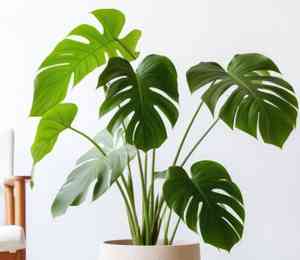
A content Monstera deliciosa will display vibrant, deep green foliage with characteristic splits and holes. You'll note consistent growth and an absence of leaf burn or yellowing. Periodically inspect the plant's leaves and adjust light exposure based on its condition.



