How Much Sunlight Do Baby sun rose Need?
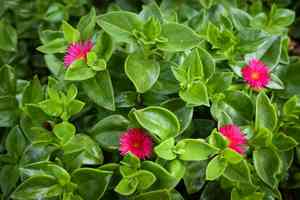
1
Baby sun rose prospers with abundant sunlight, requiring more than 6 hours of direct sun daily.
2
Baby sun rose can endure partial sun environments, yet this might impact its development and blooming.
3
Shiny surfaces can aid in optimizing light reception for your Baby sun rose in less ideal locations.
Ideal Light Requirements for Baby Sun Rose
Abundant Sunshine
For your Baby sun rose to flourish, it's crucial to provide an environment with ample direct sunlight. This means ensuring the plant receives more than 6 hours of unhindered sun exposure daily. Full sunlight not only promotes strong growth but also encourages prolific, consistent blooming. When positioned in a bright, sunny location, you'll observe its leaves glowing and a wealth of flowers.
Moderate Sunlight
While Baby sun rose thrives in full sun, it can also tolerate areas with partial sun exposure. This refers to an environment where the plant gets 3-6 hours of sunlight each day. In such conditions, although the plant will likely grow well, you might notice slightly fewer blooms and a less intense color in its foliage. This arrangement can be suitable if consistent full sun isn't available.
Indicators Your Baby Sun Rose is Receiving Adequate Light
Signs of Robust Development
It's important to observe your Baby sun rose to confirm it's getting an ideal amount of sunlight. Indications of healthy growth include vibrant, deep green leaves and numerous, brightly colored blossoms. Additionally, its stems should be firm and upright. A well-lit Baby sun rose will also exhibit a compact, dense form rather than elongated, sparse growth.
Symptoms of Insufficient Light
Conversely, if your Baby sun rose isn't getting enough sunlight, it will signal this through various signs. Common indicators include stretched, leggy growth as the plant seeks more light, and fewer blooms, leading to a duller appearance. The leaves might also become pale or yellowish, and the plant's overall vigor can seem reduced. If these symptoms appear, it's time to reconsider your plant's location.
Strategies for Enhancing Sunlight Exposure for Baby Sun Rose
Optimal Garden Placement
To maximize sunlight reception, position your Baby sun rose in the brightest spot in your garden. South-facing or west-facing areas are generally best, as they receive the most sunshine throughout the day. Ensure no large trees or structures cast shadows over your plant, especially during peak sunlight hours.
Utilizing Reflective Materials
If you struggle to find a sufficiently bright spot, consider using reflective surfaces to boost sunlight exposure. Placing mirrors or light-colored objects near your Baby sun rose can help direct more light onto the plant. This is particularly effective in urban gardens or smaller patios where sunlight might be blocked by buildings or fences.
Can Baby Sun Rose Endure Low Light Environments?
Adapting to Suboptimal Conditions
In less than ideal lighting, Baby sun rose can adapt, though with certain trade-offs. The plant may survive, but its growth and overall vitality might be inhibited. Blossoms could become scarce, and the vibrancy of its leaves may diminish. When placed in shaded or dim areas, the plant's resilience is tested, but understanding proper care in these situations is vital for its health.
Supplemental Lighting Solutions
If natural light is inadequate, artificial lighting can be beneficial. Employing grow lights, especially those that mimic the full spectrum of sunlight, can provide the necessary light intensity for your Baby sun rose. Position these lights within 30 centimeters (12 inches) of the plant and keep them on for 12-14 hours daily to compensate for a lack of natural sun. This ensures that even in less-than-optimal conditions, your Baby sun rose receives sufficient light to grow and flourish.



