How Much Sunlight Do Virginia bluebells Need?
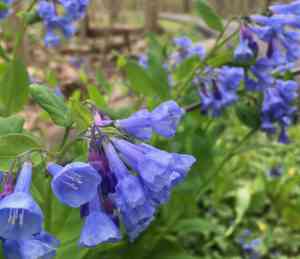
1
Virginia bluebells flourish with 3-6 hours of sunshine each day.
2
While they can endure complete shade, they favor locations with some partial sun.
3
Refrain from situating Virginia bluebells in spots that receive extended periods of strong afternoon solar exposure.
Optimal Sunlight Requirements for Virginia Bluebells
Ideal Light Needs
When establishing Virginia bluebells, understanding their light needs is paramount. These charming perennials thrive in partial sun conditions, meaning they require approximately 3-6 hours of direct sunlight daily. Ideally, they should receive gentler morning light and be protected from the more intense afternoon sun. This balance ensures vigorous growth without the risk of desiccation or overheating.
Seasonal Light Adaptations
Virginia bluebells acclimate well to seasonal variations in light. During spring, their most active period, the emerging tree foliage provides perfect dappled sunlight. As summer progresses and the tree canopy thickens, they are naturally shaded, which perfectly aligns with their growth cycle. Placing them in a semi-shaded woodland setting can mimic these natural patterns.
Can Virginia Bluebells Tolerate Full Sun?
Managing Direct Exposure
While Virginia bluebells can endure some direct sun, they generally struggle in full sun, especially during the peak heat of the day. Extended exposure to direct sunlight can cause their foliage to wilt and diminish their overall vigor. If planting in sunnier areas is unavoidable, ensure the spot receives ample moisture to counteract the sun's drying effects.
Consequences of Overexposure
Excessive exposure to intense sunlight can lead to scorched leaves and impeded growth. Virginia bluebells are delicate, and too much sun can induce stress, increasing their vulnerability to diseases and pests. It's crucial to monitor their sun exposure and make necessary adjustments, such as installing garden netting or strategically positioning taller plants nearby for shade.
Do Virginia Bluebells Prefer Shady Conditions?
Benefits of Partial Shade
Indeed, Virginia bluebells favor environments offering partial shade. These conditions maintain the ideal temperature and moisture levels for these plants to flourish. Partial shade safeguards them from harsh afternoon sun, preserving their vibrant blue blooms and lush green foliage. Gardens featuring a mix of sun and shade are perfectly suited for these delightful plants.
Achieving Equilibrium
The key to finding the ideal balance for Virginia bluebells involves observing their growing environment and adjusting as needed. Consider planting them beneath deciduous trees or near structures that cast intermittent shadows throughout the day. If your garden is excessively sunny, contemplate strategic plant placement to create a filtered light effect, achievable by interplanting with other shade-loving species.
Optimal Cultivation Practices for Virginia Bluebells
Selecting the Appropriate Site
When choosing a location for your Virginia bluebells, prioritize areas with consistent partial sunlight. Seek out spots that receive morning sun and are protected from the intense afternoon rays. Soil quality is also critical – Virginia bluebells prefer moist, well-drained soil rich in organic matter. Amending your soil with compost can provide essential nutrients for these perennials.
Companion Plant Pairings
Virginia bluebells thrive in woodland gardens and appear striking when accompanied by other perennials that enjoy similar conditions. Consider planting them alongside hostas, ferns, and columbines, which can offer additional shade and create a visually appealing, multi-layered garden effect. These companions also help maintain soil moisture and suppress weed growth, ensuring your Virginia bluebells flourish.



