How Much Sunlight Do Cassava Need?
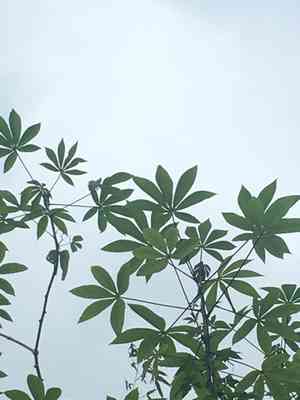
1
Cassava flourishes under direct sunlight, typically needing a minimum of 6 hours of daily sun exposure.
2
While Cassava can endure some shade, its optimal growth occurs with complete sun exposure.
3
Careful location choice and seasonal modifications are vital for providing sufficient light to Cassava.
What are the Sunlight Requirements for Cassava?
Optimal Sunlight Hours
Cassava plants thrive with ample sunlight. Ideally, they require a minimum of 6 to 8 hours of direct sun daily. This duration supports efficient photosynthesis, leading to healthier development and improved root yield.
Effects of Full Sun Exposure
Full sun exposure greatly benefits Cassava. The plant's large leaves effectively capture sunlight, promoting vigorous foliage and robust root systems. This exposure also helps reduce fungal disease risk by keeping leaves dry.
Shade Tolerance
While Cassava prefers full sun, it can endure partial shade. In situations where full sun isn't feasible, ensuring the plant receives at least 4 to 6 hours of sunlight can still support healthy growth. However, shaded conditions may result in slower growth and smaller root production.
How to Provide Adequate Sunlight for Cassava
Site Selection
Choosing the correct planting location for Cassava is vital. Seek a garden spot that receives uninterrupted sunlight for most of the day. Avoid areas with large trees or structures that cast long shadows over the plant. Elevated positions can also be advantageous due to better sun exposure.
Using Artificial Light
In regions with limited natural sunlight, particularly during winter, supplementing with artificial light can be beneficial. Utilize grow lights designed for horticulture, positioning them close but not touching the plant. Aim for at least 10-12 hours of light if natural light is insufficient.
Seasonal Adjustments
As seasons change, sunlight intensity and duration can vary. During summer, ensure your Cassava receives sufficient water, as full sunlight can increase evaporation. Conversely, in winter, you might need to move the plant to a sunnier garden spot or use artificial lighting to compensate for reduced daylight.
Common Sunlight Problems with Cassava and Their Solutions
Signs of Insufficient Sunlight
Inadequate sunlight can cause several issues in Cassava. The most evident signs include yellowing leaves, leggy growth, and soft or underdeveloped roots. If these symptoms appear, try moving the plant to a sunnier location or supplementing with artificial light.
Dealing with Overexposure
Excessive sunlight, especially in extremely hot climates, can lead to leaf scorch â characterized by brown, crispy leaf edges. To prevent this, ensure your Cassava is adequately watered. Applying mulch around the plant base can help retain soil moisture and keep roots cool.
Balancing Sunlight with Water Needs
Achieving the correct balance between sunlight and water is crucial. While Cassava enjoys full sun, it also requires consistent moisture. Keep the soil uniformly moist but not waterlogged. In very sunny and hot conditions, you might need to water more frequently to maintain this equilibrium.



