How Much Sunlight Do Mango tree Need?
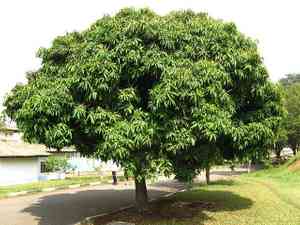
1
Mango trees require a minimum of 6 hours of direct sunlight each day.
2
Mango trees can endure some shade (roughly 4 hours of sun), though it's not optimal.
3
Utilizing reflective materials can enhance light exposure for Mango trees situated in shadier spots.
How Much Sunlight Does a Mango tree Need?
Daily Sunlight Requirements
A Mango tree flourishes best when exposed to abundant sun for the majority of the day. This entails roughly 6 to 8 hours of direct solar exposure as crucial. Ensuring your Mango tree receives ample illumination will promote vigorous development and fruit yield.
Ideal Hours of Direct Sunlight
For prime development, Mango trees should absorb sunlight for a minimum of 6 to 8 hours daily. If you are planting in an area with restricted sunlight, aim for the tree to receive its solar exposure during the peak luminosity periods of the day, typically from late morning to mid-afternoon.
Seasonal Sunlight Variations
Seasonal shifts can influence the amount of sunlight your Mango tree obtains. In warmer periods, the tree will naturally benefit from extended daylight. However, during colder months, particularly in non-tropical zones, shorter days can restrict solar exposure. It's vital to observe these seasonal differences and modify care routines accordingly.
Best Locations for Mango tree Planting
Choosing Sunlit Spots in Your Garden
When selecting a site in your garden for a Mango tree, choose the brightest spot available. Ideally, this location will have unobstructed sunlight throughout the day, away from large structures or other tall plants that might cast shadows.
Urban vs. Rural Locations
Whether you are in an urban or rural environment, the main factor is ensuring sufficient sunlight. In urban areas, buildings might obstruct some sunlight, so it's essential to position your Mango tree strategically. In rural areas, open spaces can provide plenty of sunlight, boosting the tree's growth potential.
Identifying and Addressing Sunlight Deficiency in Mango tree
Signs of Insufficient Sunlight
If a Mango tree is not receiving enough sunlight, it will exhibit several indicators: retarded growth, yellowing foliage, and fewer blooms. The tree's overall vitality will diminish, signaling a need for increased light exposure.
Techniques to Improve Sunlight Exposure
To enhance sunlight exposure for your Mango tree, regularly trim nearby bushes or trees that might create shadows. Also, consider moving potted Mango trees to sunnier locations, especially during prime growing periods.
Using Reflective Surfaces
Reflective materials, such as mirrors or aluminum foil, can be strategically placed to direct more light onto your Mango tree. This method can be particularly beneficial in gardens where certain areas experience partial shade.
Protecting Mango tree from Excessive Sunlight
Symptoms of Sunburn
Although Mango trees thrive in sunlight, too much exposure can lead to sunburn, characterized by scorched or browned leaves. Sunburn can impede the tree's development and fruit yield.
Shading and Protective Screens
To safeguard your Mango tree from excessive sunlight, especially during peak summer months, consider using shade cloths or other shielding screens. These measures can help regulate the amount of direct sunlight the tree receives.
Adaptive Sunlight Management
Flexible management practices, such as temporarily relocating potted trees to shaded areas during extreme heatwaves, can help lessen the risks of sunburn. Regularly monitoring the tree's condition and adjusting its exposure is crucial for maintaining its health.
How Weather Affects Sunlight for Mango tree Growth
Impact of Cloudy Days
Cloudy days can decrease the amount of direct sunlight a Mango tree obtains. While occasional overcast days will not harm the tree, extended periods of cloudy weather can hinder growth and fruiting.
Adjusting for Seasonal Changes
As seasons shift, so does the angle and duration of sunlight. In winter, you might need to take additional steps to ensure your Mango tree gets adequate light, such as employing grow lights or reflective surfaces to maximize available sunlight.



