How Much Sunlight Do Spiny pincushion cactus Need?
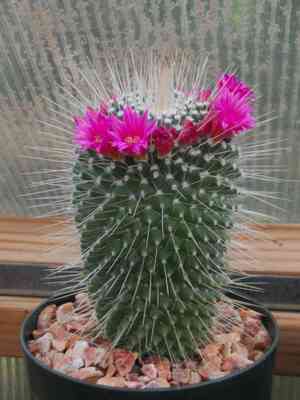
1
Spiny pincushion cactus flourishes with 6-8 hours of direct sun each day.
2
A south or west-facing window is the perfect spot for your Spiny pincushion cactus.
3
Too much or too little sunlight can be detrimental to the Spiny pincushion cactus.
What Are the Sunlight Requirements for Spiny pincushion cactus?
Ideal Sunlight Exposure
The Spiny pincushion cactus is a heliophilic plant indigenous to areas with abundant solar radiation. It flourishes in full sun, meaning it needs direct, unobstructed sunlight for most of the day. Ideally, this cactus should receive sunlight for at least 6-8 hours daily. Full sun exposure is vital for its robust development, vivid coloration, and blossoming. It's important to position this cactus where it can absorb sunlight without any impediments.
Daily Sunlight Duration
Regarding daily sunlight duration, the Spiny pincushion cactus requires 6-8 hours of sunlight each day. This amount of light ensures the cactus can perform photosynthesis efficiently, promoting vigorous growth and flowering. However, while it loves the sun, it can also tolerate partial sun, meaning it can endure periods of less direct sunlight but might not perform optimally. Ensuring the cactus gets sufficient sunlight will help prevent common issues like etiolation, where the plant becomes elongated and weak.
How to Position Your Spiny pincushion cactus for Optimal Sunlight
Choosing the Best Location
When selecting the ideal spot for your Spiny pincushion cactus, consider placing it where it will receive maximum solar exposure. South-facing windows are typically the best choice as they get the most sunlight throughout the day. Alternatively, a western-facing window can also work well, providing strong afternoon light. If you're placing the cactus outdoors, choose a location that receives full sun, such as an open patio or garden area with minimal shade.
Indoor vs. Outdoor Placement
Whether you cultivate your Spiny pincushion cactus indoors or outdoors, ensuring it receives adequate sunlight is crucial. Indoors, position it near a south or west-facing window to maximize light exposure. Outdoors, place it in an area where it can get full sun for most of the day. Remember, outdoor placement might expose the cactus to potential environmental stressors like extreme heat or cold, so consider using grow lights indoors during winter or cloudy days to maintain optimal light levels.
What Happens if Spiny pincushion cactus Gets Too Much or Too Little Sunlight?
Signs of Excessive Sunlight
While the Spiny pincushion cactus enjoys ample sunlight, too much can cause harm. Indications of excessive sunlight include sunburn spots, which appear as brown or white patches on the cactus's surface. These sun-damaged areas can become rough and hardened over time. It's essential to monitor the plant and provide some shade during the hottest parts of the day, especially in peak summer, to prevent sunburn and heat stress.
Signs of Insufficient Sunlight
Conversely, inadequate sunlight can lead to etiolation, a condition where the cactus stretches and grows tall and slender as it seeks more light. This can render the cactus fragile and more vulnerable to diseases. Other signs of insufficient light include pale coloration and reduced blooming. To counteract insufficient sunlight, gradually acclimate the cactus to more light or supplement natural light with artificial grow lights.
Tips for Adjusting Sunlight Exposure for Spiny pincushion cactus
Using Shading Techniques
If your Spiny pincushion cactus is receiving too much direct sunlight, employing shading methods can help balance its exposure. Consider using sheer curtains or shade cloth to diffuse the sunlight. This can shield the cactus from intense midday sun while still providing sufficient light. Rotating the cactus periodically can also help ensure all sides receive equal sunlight, preventing uneven development.
Supplementing with Grow Lights
For indoor growers or those in regions with less natural sunlight, supplementing with grow lights is an excellent option. LED grow lights can provide the necessary light spectrum for photosynthesis. Position the grow lights approximately 6-12 inches (15-30 cm) above the cactus and keep them on for at least 12-16 hours daily during the darker seasons. This will ensure the cactus gets enough light to thrive and flower beautifully.



