How Much Sunlight Do Texas nipple cactus Need?
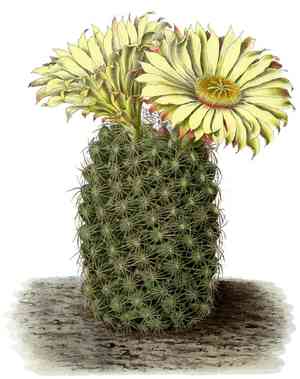
1
The Texas nipple cactus flourishes in abundant sunlight, yet it can also endure some shade.
2
Confirm your Texas nipple cactus receives a minimum of six hours of direct sun each day.
3
Employ artificial grow lights in colder seasons to augment available natural light.
Optimal Light Requirements for Texas Nipple Cactus
Advantages of Full Sun Exposure
The Texas nipple cactus thrives when exposed to full sunlight. This desert-native cactus flourishes under bright, direct illumination. Ample sun promotes robust development, encourages flowering, and helps maintain its compact, appealing form. When positioned to receive unfiltered light for most of the day, it will perform optimally.
Considerations for Partial Shade
While full sun is preferred, the Texas nipple cactus can endure some partial shade. In areas with extremely harsh sunlight, especially during peak midday, providing a degree of shade can prevent scorching. Partial shade implies filtered or dappled light for a portion of the day. However, it's vital the cactus still gets sufficient light for its growth and vitality.
Recommended Daily Light Duration
For peak health, the Texas nipple cactus should receive a minimum of 6 to 8 hours of direct sunlight daily. This duration is perfect for encouraging blooms and preserving the plant's vibrant coloration. In locations where full sun isn't feasible, extending indirect light periods can be beneficial.
Ensuring Proper Light for Texas Nipple Cactus
Prime Locations for Light
Place your Texas nipple cactus in a south or west-facing window for the best light exposure. These spots typically offer the brightest and most consistent illumination throughout the day. Outdoor placement during summer, such as on a sunny patio or balcony, can also greatly benefit your cactus.
Utilizing Grow Lights for Supplementation
During colder months or in low-light environments, supplementing with grow lights can ensure your Texas nipple cactus receives adequate light. LED grow lights positioned 15-30 cm (6-12 inches) above the cactus can effectively mimic natural sunlight. Use these lights for approximately 12-16 hours daily to maintain cactus health.
Adapting to Seasonal Variations
As seasons shift, adjusting the cactus's light exposure is essential. In summer, ensure it avoids scorching from overly intense midday sun, while in winter, consider artificial light due to shorter daylight hours. Regular rotation of the cactus can also ensure even light distribution.
Indications of Excessive or Insufficient Light for Texas Nipple Cactus
Symptoms of Sunburn in Texas Nipple Cactus
Excessive sunlight can lead to sunburn in the Texas nipple cactus. Watch for signs like scorched, brown patches on the cactus's surface, and a bleached, faded appearance. If these symptoms appear, provide shade during the hottest part of the day or move the cactus to a less intense light spot.
Signs of Inadequate Light
Insufficient sunlight can cause the cactus to stretch and lighten in color, reaching for more light. This condition, known as etiolation, signals a need for increased exposure. Additionally, a lack of flowers or stunted growth are clear indicators your Texas nipple cactus isn't getting enough light.
Achieving Balanced Light Conditions
Ensuring your Texas nipple cactus receives balanced light is vital for its overall well-being. Regularly observe the plant, adjust its position as needed due to seasonal changes, and supplement with artificial light if necessary. Consistent, balanced light conditions will result in a healthy and thriving cactus.



