How Much Sunlight Do Osage orange Need?
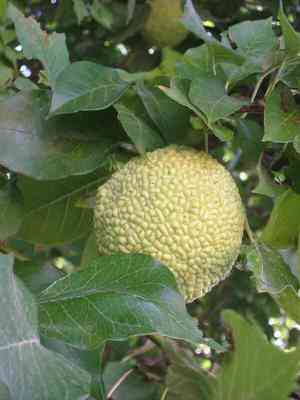
1
Osage orange flourishes with ample sunlight, needing more than 6 hours of direct sun each day.
2
Although it can endure some shade, insufficient full sun may result in diminished growth and vitality.
3
Adequate sunlight promotes vibrant leaves and abundant fruit yield for Osage orange.
Optimal Sunlight for Osage Orange
Full Sun Conditions
Osage orange thrives best in full sunlight, flourishing with over 6 hours of direct sun daily. Ample sun promotes vigorous development, robust branch formation, and peak fruit yield. This light level enables efficient photosynthesis, providing the energy needed for strong growth.
Partial Sun Tolerance
While full sun is preferred, Osage orange can endure partial sunlight, meaning 4 to 6 hours of direct sun per day. In partial sun, the tree may grow adequately but likely slower, and its foliage vibrancy and fruit production might be somewhat reduced.
Daily Sunlight Requirements for Osage Orange
Minimum Light Needs
For sustained health and growth, Osage orange needs at least 4 hours of direct sunlight daily. Less than this could severely hinder its development and vitality. Insufficient light impedes photosynthesis, leading to weaker growth and reduced pest and disease resistance.
Maximum Light Exposure
Osage orange can tolerate more than 6 hours of daily sunlight, but it's vital to prevent extreme conditions without proper hydration. In very hot, arid climates, excessive sun can stress the tree, so maintaining moist soil is crucial for its well-being.
Impact of Insufficient Sunlight on Osage Orange
Potential Growth Problems
Inadequate sunlight can cause various growth issues for Osage orange. These include stunted development, sparser foliage, and weaker wood. The tree's overall health and structural integrity can be compromised, making it more vulnerable to wind damage and other environmental stresses.
Signs of Light Deficiency
Recognizing light deficiency in Osage orange is key for prompt action. Indicators include pale, yellowing leaves, elongated, spindly stems, and decreased fruit production. The tree might also appear generally sluggish, with slow growth and poor overall health.
Ensuring Adequate Sunlight for Osage Orange
Choosing the Correct Planting Site
Selecting the ideal planting spot is vital for Osage orange to receive sufficient sunlight. Pick a garden area that gets unobstructed sun throughout the day, away from large structures or taller trees that might cast shadows. Southern or western exposures are often perfect in many regions.
Seasonal Light Adjustments
Sunlight availability shifts with seasons, as do the needs of your Osage orange. During the growing season, ensure the tree is in a location with maximum possible sun. In cooler months, less intervention may be needed as sunlight is naturally limited, but still ensure the tree isn't overly shaded by winter debris or overhanging branches.
Common Sunlight Management Errors for Osage Orange
Overexposure Concerns
While Osage orange loves sun, excessive exposure without enough water can be detrimental. Overexposure can cause leaf scorch, where leaves appear burnt and dry. To prevent this, keep the soil consistently moist, especially during hot, dry periods.
Underexposure Issues
Planting Osage orange in too much shade is a common error that can hinder its growth. Underexposure might result from placing it too near structures or larger trees. Always monitor the planting site for consistent sunlight, and prune surrounding plants if needed to reduce shading.



