How Much Sunlight Do Large yellow loosestrife Need?
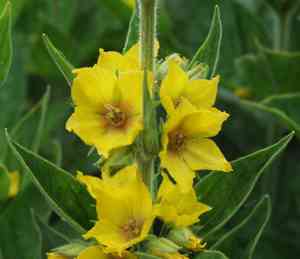
1
Large yellow loosestrife flourishes optimally with a minimum of 6 hours of direct sun each day.
2
This plant can endure some partial shade, though its flowering might be less abundant.
3
Modifying sun exposure based on the season aids in sustaining robust growth and vivid blossoms.
Optimal Sunlight for Large yellow loosestrife
Full Sunlight Requirements
For Large yellow loosestrife, full sun exposure is perfect. This means the plant needs over six hours of direct sun daily. Full sun provides the necessary energy for strong growth and abundant blooms, contributing to the plant's overall health and vibrancy. Placing your Large yellow loosestrife in a sunny location ensures it flourishes to its maximum potential.
Partial Shade Tolerance
While Large yellow loosestrife prefers full sun, it can endure partial shade. Partial shade means the plant gets 3-6 hours of sunlight or filtered light throughout the day. In these conditions, the plant might not flower as profusely, and its development could be slightly hindered. However, in regions with extremely hot climates, partial shade can shield the plant from scorching and stress.
Ideal Planting Locations
Choosing the Right Spot in Your Garden
When selecting a site for your Large yellow loosestrife, consider areas that receive ample morning sun and some afternoon shade. This placement helps the plant absorb sufficient light during the cooler parts of the day while avoiding the intense, potentially damaging midday sun. Optimal spots include the south or west side of your garden, where it can soak up sunlight for most of the day.
Companion Planting for Sunlight Optimization
Companion planting involves grouping plants with similar light needs together, ensuring all receive optimal light exposure. Pair Large yellow loosestrife with other sun-loving plants like coneflowers or daylilies. This method not only helps maximize sunlight but also enhances your garden's visual appeal. Avoid planting it near taller plants that might cast shadows and limit its sun exposure.
Monitoring Sunlight Exposure
Signs of Too Much Sunlight
Excessive sunlight can cause Large yellow loosestrife leaves to burn or turn a pale, bleached hue. If exposed to overly intense sun, the plant might also show wilting or signs of heat stress. To alleviate this, consider providing partial shade during the hottest part of the day or ensure sufficient watering to keep the soil moist.
Signs of Insufficient Sunlight
Inadequate sunlight can lead to poor growth and reduced flowering. If Large yellow loosestrife isn't getting enough light, you might notice elongated stems, fewer blooms, or a generally dull appearance. Move the plant to a brighter spot or trim surrounding foliage that might be shading it.
Adjusting Sunlight for Seasonal Changes
Summer Sunlight Adjustments
During summer, the sun is more intense, and days are longer. Ensure your Large yellow loosestrife receives ample sunlight but also watch for signs of heat stress. Providing afternoon shade or increasing watering can help the plant cope with peak summer heat. Additionally, using mulch can assist in retaining soil moisture and keeping roots cool.
Winter Sunlight Considerations
In winter, sunlight is less intense, and days are shorter. Position your Large yellow loosestrife in the most sunlit part of your garden to maximize the limited light available. If the plant is grown indoors, consider placing it near south-facing windows to ensure it gets enough light. While the plant's growth slows during winter, adequate light ensures it remains healthy and prepares for vigorous growth in the spring.



