How Much Sunlight Do Creeping jenny Need?
1
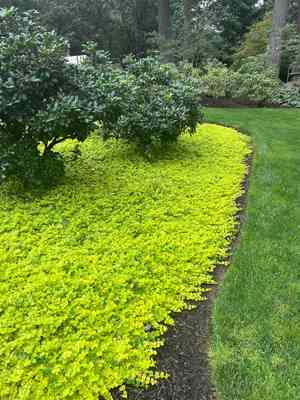
Creeping jenny flourishes with partial sun exposure, requiring approximately 3-6 hours of daylight each day.
2
Excessive sunlight can result in sunburn for Creeping jenny, manifesting as brittle, brown leaf margins.
3
For indoor cultivation, ideal positions are near windows facing either east or west.
Optimal Light Conditions for Creeping Jenny
Full Sun vs. Partial Shade Preferences
Creeping jenny, a resilient groundcover, can tolerate various light levels but flourishes best with partial sun. This implies the plant should ideally receive approximately 3-6 hours of direct sunlight per day. Full sunlight refers to more than 6 hours of direct sun, whereas partial shade means 3-6 hours of direct sun, often in the cooler morning or late afternoon. The latter is preferred for Creeping jenny, providing adequate light for robust development without the hazards of overexposure. While it can endure full sun, this might lead to issues like leaf scorching and dehydration, particularly during peak summer. Conversely, the plant can survive in complete shade, though its growth may be less vigorous and its foliage less vibrant.
Achieving Proper Balance
Attaining the correct balance of sun exposure for Creeping jenny demands careful placement and observation. When establishing this groundcover in your garden or lawn, select locations that get morning sun and afternoon shade. East or west-facing garden beds are excellent choices. If Creeping jenny is growing in an area with intense midday sun, consider offering some protection, such as a shade cloth or by situating taller plants nearby to provide dappled light. Regularly inspecting the plant's health will help you modify its position to ensure optimal light exposure.
Effects of Excessive Sun on Creeping Jenny
Symptoms of Sunburn
A clear indicator that Creeping jenny is receiving too much sun is the presence of sunburn. Signs of sunburn include browning or crisping of the leaf margins, which can make the plant appear less healthy and lively. Another symptom is wilting during the hottest parts of the day, even with sufficient soil moisture. Prolonged overexposure can hinder the plant's growth and result in a less dense and appealing groundcover.
Preventing Solar Damage
To avert sunburn and damage, ensure partial shading during the peak heat of the day. Applying mulch around the plant's base can help maintain soil moisture and keep the roots cool. If you observe early signs of sunburn, move potted Creeping jenny to a shadier location or provide temporary cover with a garden umbrella or similar item. Additionally, consistent watering practices are vital for keeping the plant robust and hydrated.
Impact of Insufficient Sun on Creeping Jenny
Identifying Low Light Conditions
A lack of adequate sunlight can negatively affect Creeping jenny. The plant will display symptoms such as sparse, elongated growth and a pale green color instead of its characteristic vibrant green or yellow shade. You might also notice that Creeping jenny grows more slowly and produces fewer leaves, making it less effective as a ground cover.
Strategies for Enhancing Light Exposure
To rectify the situation, consider relocating the plant to an area where it will receive more direct sunlight, ideally around 3-6 hours daily. Trimming surrounding vegetation can also boost light availability. For indoor environments, positioning Creeping jenny closer to a bright window, like an east or west-facing one, can help improve light exposure. If natural light is inadequate, using plant-specific grow lights can provide the necessary illumination.
Indoor Light Guidelines for Creeping Jenny
Optimal Indoor Placement
Indoors, Creeping jenny needs a well-lit spot to thrive. Placing it near east or west-facing windows ensures it gets the required morning or afternoon sun. South-facing windows can also work, provided the light is diffused to prevent excessive heat and potential sunburn. Rotating the plant periodically ensures even light distribution, preventing lopsided growth.
Supplemental Lighting Solutions
For homes or offices with limited natural light, supplementary lighting is a practical option. LED grow lights, which simulate natural sunlight, can be set up to provide consistent illumination. These lights should be positioned approximately 30-45 cm (12-18 inches) above the plant and kept on for about 12-14 hours daily to mimic a natural light cycle. Regularly monitor the plant to ensure it is responding well and adjust light exposure as needed.



