How Much Sunlight Do Wild Perennial Lupine Need?
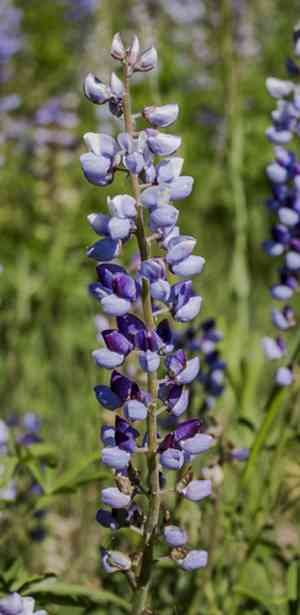
1
Wild Perennial Lupine flourishes optimally in locations receiving more than six hours of direct sun each day.
2
While this plant can endure some partial shade, it might diminish its flowering capacity.
3
Modifying sun exposure according to seasonal changes can enhance Wild Perennial Lupine's development.
Ideal Light Conditions for Wild Perennial Lupine
Full Sun vs. Partial Shade: Optimal Placement
For peak development and vibrant blossoms, Wild Perennial Lupine should be situated in spots receiving over 6 hours of direct sun daily. While it can endure partial shade, meaning about 3-6 hours of direct sunlight, this might impact its overall growth and bloom quality. Full sun exposure guarantees the plant's energy levels are sustained, fostering stronger stems and more abundant flowering.
Seasonal Light Fluctuations
Wild Perennial Lupine may require varying light exposure based on the season. During spring and summer, when the sun is more intense and consistent, full sun is perfect. However, in autumn and winter, when sunlight is less potent, ensuring the plant gets a minimum of 3-6 hours of sunlight can help it survive cooler months while preparing for a vigorous growing season.
Daily Light Requirements
On a daily basis, Wild Perennial Lupine should ideally receive at least 6 hours of direct sunlight. This daily need ensures the plant can photosynthesize effectively, leading to sturdy growth. Insufficient daily sunlight can result in weaker stems and fewer flowers, diminishing the plant's overall appeal and vitality.
Factors Influencing Light Availability
Geographical Location's Influence
Your geographical position will significantly impact the amount of sunlight your Wild Perennial Lupine receives. In southern U.S. states, the sun is typically more intense and lasts longer throughout the year, making it easier to meet the plant's light needs. Conversely, in northern regions, especially during fall and winter, you might need to strategically place your plants to maximize sun exposure.
Garden Design and Sun Exposure
The design and arrangement of your garden can also affect sun exposure for your Wild Perennial Lupine. Ensure that taller plants or structures do not cast shadows over the lupines, particularly during peak sunlight hours. Position your lupines in the areas of your garden that receive the most uninterrupted sunlight to guarantee optimal growth conditions.
Nearby Structures and Shading
Adjacent buildings, trees, and other large structures can cast considerable shadows, impacting the sunlight your Wild Perennial Lupine receives. Be mindful of the placement of your planting beds and try to locate them in open areas with minimal obstruction to ensure they receive the necessary sunlight throughout the day.
Indicators Your Wild Perennial Lupine Needs More or Less Light
Signs of Excessive Sunlight
Too much sunlight can cause Wild Perennial Lupine leaves to become scorched or wilted. You might observe the leaves turning a pale yellow or brown, indicating sunburn. Additionally, the soil around the plant may dry out too quickly, stressing the roots and affecting the plant's overall health. If you notice these signs, consider providing some temporary shade during peak sun hours.
Signs of Insufficient Sunlight
When Wild Perennial Lupine doesn't receive enough sunlight, it often exhibits leggy growth, where stems become elongated and weak as they stretch towards the light. Furthermore, flowering may be sparse or absent, and the foliage might appear dull and lifeless. To correct this, consider moving the plant to a sunnier spot or pruning back nearby plants that may be casting shadows.
Adjusting Light Exposure
If your Wild Perennial Lupine isn't thriving due to incorrect light exposure, make the necessary adjustments. Relocate the plant to a sunnier area if it's receiving too little light, or provide temporary shading if it's experiencing too much light. Using garden nets or moving potted lupines can help regulate their light exposure, ensuring they maintain optimal health throughout their growth cycle.
Advice for Ensuring Optimal Sunlight for Wild Perennial Lupine
Choosing the Correct Planting Site
Selecting the ideal location for planting your Wild Perennial Lupine is vital for its success. Aim for a spot that receives ample sunlight throughout the day, preferably a south-facing area which generally gets the most consistent sunlight. Avoid places heavily shaded by taller plants or structures.
Utilizing Reflective Materials
To increase the amount of light your Wild Perennial Lupine receives, consider using reflective materials in your garden. Placing light-colored stones, walls, or even reflective mulch near the plant can help bounce additional light onto the plants, providing them with the extra energy needed for robust growth.
Monitoring and Modifying Shade
Continuously monitor the sunlight exposure of your Wild Perennial Lupine and be prepared to adjust as needed. If you notice any signs of stress from too much or too little light, take prompt action by adjusting shading techniques, changing the plant's location, or modifying your garden layout. Keeping an eye on your plant ensures it gets the optimal conditions to flourish.



