How Much Sunlight Do Tatarian honeysuckle Need?
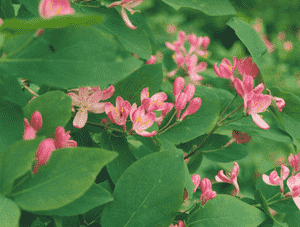
1
Tatarian honeysuckle flourishes with more than 6 hours of direct sun each day, though it can endure some dappled light.
2
Observe the foliage for signs of distress, such as yellowing or drooping, which may signal excessive sun exposure for your Tatarian honeysuckle.
3
Offering a degree of shade can safeguard your Tatarian honeysuckle during the peak heat of the afternoon.
Optimal Light Conditions for Tatarian Honeysuckle
Full Sun: Advantages and Drawbacks
Exposing Tatarian honeysuckle to full sun, meaning over six hours of direct sunlight daily, offers numerous benefits. This light level promotes vigorous development, vivid blossoms, and general plant well-being. However, potential risks exist, such as sunscald, particularly on hot summer days. Excessive sun exposure can cause leaves to burn, resulting in brown, brittle edges. To prevent this, ensure adequate hydration and consider providing some partial shade during peak sun hours.
Partial Shade: Benefits
Although Tatarian honeysuckle prefers full sun, it can also thrive in partial shade. Partial shade entails approximately three to six hours of direct sunlight per day, with the remainder of the day in shadow. This option can shield the plant from the harshest midday sun, reducing the likelihood of leaf burn. Furthermore, partial shade can help maintain soil moisture, which is vital during dry periods. Planting in a spot that receives morning sun followed by afternoon shade can be an excellent compromise for healthy growth.
Adapting to Various Light Levels
Tatarian honeysuckle is quite flexible and can adjust to different light conditions. If you observe your plant struggling, perhaps due to too much or too little light, consider relocating it if feasible. For containerized plants, moving them around the garden to find the ideal spot can make a significant difference. For those planted in the ground, introducing nearby taller plants to offer shade or additional light exposure as needed can help create a balanced environment.
Identifying Overexposure to Sun in Tatarian Honeysuckle
Signs of Sunscald
A primary indicator that your Tatarian honeysuckle is receiving too much sun is leaf sunscald. Sunscald appears as white, tan, or brown patches on the foliage, often accompanied by crispy leaf margins. This condition occurs when the plant is exposed to intense sunlight, especially when combined with high temperatures. To prevent further damage, consider providing partial shade during the hottest parts of the day and ensure sufficient watering.
Leaf Discoloration
Another common sign that your Tatarian honeysuckle is getting excessive sunlight is leaf yellowing. When leaves turn yellow, it frequently signals stress related to overexposure to direct sunlight. Ensure the plant receives consistent watering and consider moving it to a location with partial shade to lessen yellowing. Applying mulch can also help retain soil moisture and keep root temperatures lower.
Leaf Drop and Wilting
Excessive sunlight exposure can cause leaves to wilt and drop prematurely. Wilting happens when the plant loses more water through transpiration than it can absorb from the soil, leading to drooping foliage. Leaf shedding is another protective response to minimize water loss. To counteract this, it is crucial to maintain regular watering practices, especially during hot weather, and offer occasional shade to reduce plant stress.
Ensuring Optimal Sun Exposure for Tatarian Honeysuckle
Ideal Planting Locations
Selecting the correct site for your Tatarian honeysuckle is crucial. Ideally, plant it in a spot that receives ample morning sunlight and some afternoon shade. This balance allows the plant to benefit from the gentle, cooler morning rays while being protected from the intense afternoon heat. Suitable locations include east-facing gardens or areas with partial shade provided by larger shrubs or trees.
Utilizing Shade Cloth or Barriers
If you reside in an exceptionally hot climate, employing shade cloth or barriers can protect your Tatarian honeysuckle from extreme sunlight. Shade cloths, available in various densities, can reduce the amount of sunlight reaching the plant. Garden barriers, such as trellises or strategically placed screens, can also offer necessary protection. Opt for these solutions during peak summer months to ensure your plant thrives without suffering from sunscald.
Consistent Monitoring and Adjustments
Regularly observing your Tatarian honeysuckle is vital for maintaining its health. Watch for signs of sun stress, such as discoloration or wilting, and make adjustments as needed. This might involve relocating the plant to a shadier spot, increasing watering frequency, or using temporary shade solutions. Consistent observation and timely intervention can help your plant adapt to changing light conditions and flourish.
Frequently Asked Questions Regarding Tatarian Honeysuckle Sunlight Needs
Can Tatarian Honeysuckle Grow in Full Shade?
Tatarian honeysuckle can grow in full shade, but it is not optimal. Full shade means less than three hours of direct sunlight daily. In such conditions, the plant may exhibit slower growth, fewer flowers, and reduced overall vigor. While it can survive, it's best to provide some sunlight to encourage healthier growth and more vibrant blooms.
Does Tatarian Honeysuckle Need More Sun in Certain Climates?
Yes, Tatarian honeysuckle might require more sun in cooler, northern climates to reach its full growth potential. In these areas, the intensity and duration of sunlight are generally less compared to hotter, southern regions. Therefore, ensuring at least six hours of direct sunlight can help compensate for the cooler temperatures and promote healthy growth.
How to Protect Tatarian Honeysuckle from Intense Sunlight?
Protecting Tatarian honeysuckle from intense sunlight involves a combination of strategic planting, providing shade, and regular watering. Placing the plant where it gets morning sun and afternoon shade, using shade cloths, and maintaining soil moisture can help mitigate the risks of excessive sunlight. Additionally, mulching around the base of the plant can keep roots cool and retain moisture, further safeguarding the plant during peak heat.



