How Much Sunlight Do Japanese honeysuckle Need?
1
Japanese honeysuckle flourishes most effectively when exposed to a mix of partial and direct sun.
2
An optimal amount of sunlight for Japanese honeysuckle is between 3 and 6 hours each day.
3
Direct sun indicates a minimum of six hours of uninterrupted solar exposure daily.
How Much Sunlight Does Japanese honeysuckle Need?
Ideal Light Conditions for Japanese honeysuckle
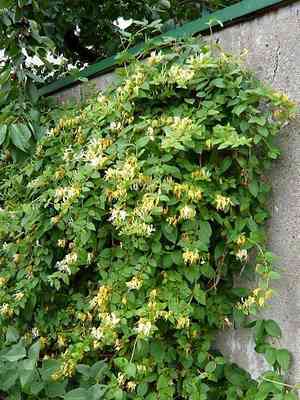
The Japanese honeysuckle, a favored and adaptable vine, thrives with partial to full sun exposure. Providing an environment where the plant can get sufficient light is crucial for its vigorous development and attractive, fragrant blossoms. Ideally, this resilient vine prefers a combination of dappled shade and full sun. Ensuring your Japanese honeysuckle receives the correct amount of sunlight will keep it robust and lively, perfect for covering arbors, fences, and ground areas.
Daily Sunlight Hours Required for Japanese honeysuckle
Japanese honeysuckle typically requires approximately 3-6 hours of direct sunlight daily. This exposure guarantees the plant has ample energy for photosynthesis, which is vital for its overall development and flower production. Whether situated in a garden or a container, ensure your honeysuckle is positioned to receive adequate daily illumination. Especially during active growth periods, this plant relies on steady light to flourish and spread gracefully.
Partial Shade vs. Full Sun: What Works Best?
Japanese honeysuckle is quite adaptable to varying light conditions but performs optimally with a blend of partial shade and full sun. Partial shade signifies filtered or diffused sunlight for about 3 to 4 hours, whereas full sun means roughly 6 hours of direct illumination. This balance helps Japanese honeysuckle maintain its lush foliage and abundant flowering. In hotter climates, some afternoon shade can shield the plant from intense heat, thus preventing stress and potential harm.
Is Too Much Sunlight Harmful to Japanese honeysuckle?
Symptoms of Excessive Sunlight Exposure
While Japanese honeysuckle can withstand full sun, too much sunlight combined with high temperatures might induce stress. Signs of overexposure include yellowing leaves, leaf scorch, and stunted growth. If your honeysuckle shows these indications, it might be getting too much direct sunlight or experiencing heat stress. Early detection of these symptoms can prevent more extensive damage and help you adjust care routines accordingly.
Preventing Sunburn in Japanese honeysuckle
To prevent sunburn on Japanese honeysuckle, consider a few approaches. First, ensure it receives some afternoon shade if planted in very sunny locations. Use garden umbrellas, shade cloths, or natural cover from nearby plants or structures to protect the honeysuckle during peak sunlight hours. Consistent watering, especially in summer, keeps the plant hydrated and strong against harsh sun. Mulching at the base can also retain soil moisture, aiding in stress reduction.
Winter Sunlight Requirements for Japanese honeysuckle
Adapting Sunlight Exposure in Colder Months
During winter, Japanese honeysuckle enters a dormant phase, needing less sunlight than during its active growth period. However, ensuring it still gets as much natural light as possible can support its well-being. If your region experiences severe winters, consider placing the plant where it can receive maximum sunlight during the shorter daylight hours. Potted honeysuckle can be moved to brighter spots, ensuring continued vigor through the colder months.
How to Ensure Adequate Light Indoors
For those cultivating Japanese honeysuckle indoors during winter, positioning them near south-facing windows can maximize light exposure. If natural light is insufficient, supplement with artificial grow lights, keeping them on for approximately 6-8 hours daily to mimic natural sunlight. Proper indoor lighting helps maintain the plant’s energy balance, preparing it for robust growth once the outdoor planting season resumes.
Tips for Optimizing Sunlight for Japanese honeysuckle
Using Reflective Materials to Enhance Light
Boosting sunlight exposure for your Japanese honeysuckle can be achieved using reflective materials. Mirrors, aluminum foil, or white-painted surfaces around the plant area can reflect additional light onto the plant, ensuring consistent and diffused illumination. This method is particularly useful in gardens with partial shade, helping to increase light availability without relocating the plant.
Pruning Techniques to Maximize Light Exposure
Pruning is crucial for maximizing light penetration to all parts of the Japanese honeysuckle. Regularly trim away overgrown, dense, or dead foliage to allow better air circulation and light distribution. Focus on removing branch tips that obstruct sunlight from reaching inner leaves, thus supporting overall health and bloom production. Pruning not only improves light exposure but also encourages vigorous growth and aesthetic appeal.
Strategic Plant Placement for Optimal Growth
Careful placement of your Japanese honeysuckle is vital for optimal growth. Select locations where the plant can receive the necessary sunlight hours, taking into account geographical and seasonal sun patterns. Positioning along south or west-facing walls can provide ample sunlight throughout the day. Additionally, avoid congested areas to prevent shaded conditions and ensure each plant gets the essential light for thriving growth.



