How Much Sunlight Do Edging lobelia Need?
1
Edging lobelia flourishes optimally in areas with complete sun exposure.
2
Over six hours of direct sunlight promotes robust flowering.
3
Locations with some shade are acceptable, though they might lessen the abundance of blooms.
The Importance of Sunlight for Edging Lobelia
Photosynthesis and Development
Sunlight is essential for Edging lobelia's vitality. Through photosynthesis, the plant transforms solar energy into the power needed for growth. This energy generation is critical for maintaining vibrant, green leaves and strong root systems. With ample sunlight, Edging lobelia can efficiently photosynthesize, leading to healthier development.
Blossoming and Flowering
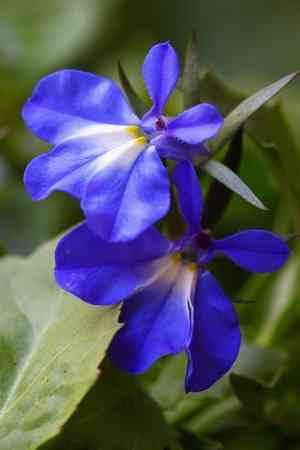
For Edging lobelia, sunlight is also crucial for its beautiful blossoms. Sufficient light exposure initiates the flowering process, enabling the plant to produce its characteristic vivid blue, purple, or white flowers. Without enough sunlight, Edging lobelia may fail to bloom, making your garden less colorful and lively.
Optimal Sunlight Conditions for Edging Lobelia
Preferred Sun Exposure
Edging lobelia thrives in full sun, meaning it requires at least 6 hours of direct sunlight daily. However, it can also tolerate partial sun, where it receives 3 to 6 hours of sunlight. To maximize its growth and flowering potential, aim to position your Edging lobelia in a location where it can receive full sun.
Morning Sun vs. Afternoon Sun
Morning sun tends to be less intense and can be more gentle on Edging lobelia. If your garden experiences extremely hot afternoons, consider placing your plants to receive morning sunlight and partial shade during the hottest parts of the day. This balance helps prevent scorching while still allowing sufficient light for photosynthesis and blooming.
How to Determine If Edging Lobelia Is Receiving Adequate Sun
Signs of Sun Damage
If your Edging lobelia is exposed to excessive intense sunlight, it may exhibit signs of sun damage. Look for bleached or yellowing leaves, and edges that appear scorched or brittle. These indicators suggest the plant is getting too much direct sun, especially during the peak intensity of the afternoon.
Indicators of Insufficient Sunlight
Conversely, if Edging lobelia is not receiving enough sunlight, it may appear leggy with elongated stems and sparse foliage. You might also notice fewer flowers or a complete absence of blooms. Inadequate light hinders the plant's ability to photosynthesize effectively, leading to poor growth.
Balancing Shade and Sun
To maintain your Edging lobelia's health, strive for a balance between sun and shade. If full sun exposure is causing sun damage, use garden structures or taller plants to provide some afternoon shade. Conversely, if your lobelias are in too much shade, try to relocate them to a sunnier spot or trim surrounding foliage that could be blocking sunlight.
Adjusting Sunlight Exposure for Edging Lobelia in Various Seasons
Spring and Summer Care
During spring and summer, Edging lobelia flourishes with abundant sunlight and warmth. Ensure it receives full sun in the early morning and some protection from intense afternoon rays if temperatures rise significantly. Regularly check soil moisture, as sunny conditions can dry it out quickly.
Autumn and Winter Considerations
In autumn and winter, sunlight diminishes, and temperatures drop. If you reside in a temperate climate, moving the lobelia to a location with optimal sun exposure can be beneficial. While indoor growing can be challenging for these annuals, providing maximum available daylight can maintain their health and extend their blooming season.
Tips for Maximizing Sunlight for Edging Lobelia in Shaded Gardens
Strategic Plant Placement
To maximize sunlight in shaded gardens, consider positioning Edging lobelia in the sunniest available spots, such as the edges of garden beds or areas that receive dappled sunlight. Rotating pots or container plants to follow the sun can also help optimize their light exposure throughout the day.
Use of Reflective Surfaces
Utilizing reflective surfaces like light-colored walls, fences, or garden mirrors can help direct additional light onto your Edging lobelia. Reflective mulch or gravel can also amplify sunlight, increasing the brightness around the plant and supporting its growth.
Pruning Nearby Plants
If your garden has taller plants or trees casting shadows on your Edging lobelia, regular pruning can help. Trimming back overhanging branches and foliage allows more sunlight to reach the lobelia, ensuring it gets the necessary light for healthy growth and blooming.



