How Much Sunlight Do Tulip poplar Need?
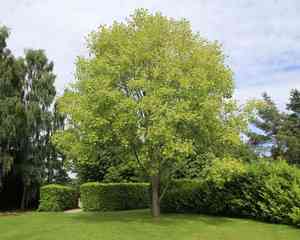
1
Tulip poplars flourish optimally with more than six hours of direct sun each day.
2
Inadequate sunlight is acceptable, yet it might hinder the tree's development and bloom production.
3
Sufficient light aids in warding off illnesses and fostering lush leaf growth.
Optimal Light Conditions for the Tulip Poplar
Full Sun for Peak Development
The Tulip poplar (Liriodendron tulipifera) is a grand, rapidly growing tree that can reach heights of up to 30.48 meters (100 feet). For peak development, it's best to site your Tulip poplar where it can receive ample direct sunlight. Full sunlight means at least 6 hours of unobstructed, direct sun daily. This light level ensures the tree has sufficient energy for vigorous growth, abundant blooms, and overall vitality.
Partial Sun: Is It Sufficient?
While full sun is ideal, the Tulip poplar can endure partial sunlight, receiving between 3 to 6 hours of direct sun each day. When grown in partial sun, the tree might not grow as quickly or produce as many flowers compared to those in full sun. However, it can still thrive in locations where full sun isn't consistently available.
How Light Impacts Tulip Poplar Development
Photosynthesis and Energy Creation
Sunlight is vital for photosynthesis, the process by which the Tulip poplar converts light energy into chemical energy. More sunlight leads to more photosynthesis, which translates to greater energy for growth. Full sun exposure helps the tree generate ample glucose, essential for its overall development and strength.
Effect on Flowering and Foliage Density
For the Tulip poplar, sufficient sunlight directly influences its blooming patterns and leaf density. Trees that get full sunlight tend to have lush, dense foliage and more plentiful, vibrant flowers. Conversely, in areas with inadequate sunlight, the foliage may be sparse, and flowering might be restricted.
Sunlight and Disease Resistance
Proper sunlight exposure is also crucial for the tree's immune system. The Tulip poplar is less vulnerable to diseases and pests when it receives the correct amount of light. Sunlight helps dry out excess moisture on leaves and bark, reducing the risk of fungal infections and other ailments.
Advice for Providing Proper Sunlight to Tulip Poplar
Planting Site and Orientation
Selecting the right spot to plant your Tulip poplar is critical. Ensure the chosen location receives full sunlight. If possible, the tree should be planted on the south or west side of your property, allowing it to capture the most light throughout the day. Avoid areas heavily shaded by structures or other large trees.
Seasonal Light Fluctuations
Be aware of how seasonal changes affect sunlight exposure. During winter, the angle and duration of sunlight shift, potentially reducing the amount of direct sun the tree receives. If your tree is newly planted, consider that it may require extra care and monitoring during these periods.
Using Mulch and Shade Cloth if Needed
In some instances, you might need to shield your Tulip poplar from excessive sun during extreme heatwaves. Applying mulch around the base can help retain soil moisture and regulate soil temperature. During the hottest part of the year, a shade cloth can be used to prevent sunburn and leaf scorch, allowing the tree to recover from intense sun exposure.
Common Sunlight-Related Issues
Signs of Excessive Sun
While sunlight is necessary, too much can cause problems like sunburn or leaf scorch. Look for indicators such as yellowing leaves, crispy edges, and browning. If you observe these symptoms, consider providing temporary shade and increasing irrigation.
Symptoms of Insufficient Light
Inadequate sunlight can impede the treeâs growth and health. Symptoms include elongated growth, fewer and smaller leaves, and limited flower production. If your tree exhibits these signs, try to gradually increase its sunlight exposure or move it to a sunnier location if feasible.
Addressing Sunburn and Leaf Scorch
If your Tulip poplar suffers from sunburn or leaf scorch, it's vital to act promptly. Prune the damaged leaves and branches to prevent the spread of damage and diseases. Ensure the tree receives ample water, especially during hot and dry periods. Mulching can also help retain soil moisture and protect the roots from excessive heat.



