How Much Sunlight Do Chinese privet Need?
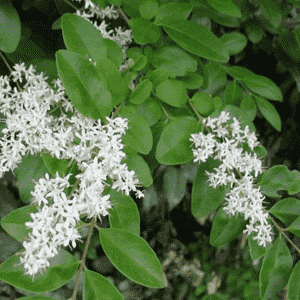
1
Chinese privet flourishes best with over six hours of direct sun each day.
2
Although Chinese privet can withstand some shade, its growth and color won't be as robust.
3
Excessive direct light may cause the leaves of Chinese privet to scorch.
What Are the Sunlight Requirements for Chinese privet?
Optimal Sunlight Conditions
For Chinese privet, the most favorable growing environment includes abundant sunlight, ideally full sun. This means the plant should be exposed to over 6 hours of direct sunlight daily. Full sun exposure promotes vigorous growth, dense foliage, and rich leaf coloration. When planting Chinese privet in your garden, select a bright location that receives direct sunlight for most of the day.
Effects of Insufficient Sunlight
When Chinese privet lacks adequate sunlight, it may experience hindered growth and sparse foliage. Leaves might become paler in color, and the plant's overall vitality can diminish. In severe cases, the plant could become more vulnerable to pests and diseases due to its weakened condition. Supplying your Chinese privet with ample light is vital for its flourishing.
Signs Your Chinese privet Needs More Light
If your Chinese privet is suffering from insufficient light, you will observe several clear indicators. The most common include elongated, weak stems (leggy growth) and a pale or yellowish tint to the leaves. Additionally, the plant may shed its leaves more frequently or fail to produce new growth. If these symptoms appear, relocating your plant to a brighter spot might be necessary.
Too Much Sunlight and How to Respond
Chinese privet can also suffer from excessive sunlight, especially in very hot climates or during peak summer periods. Overexposure can lead to scorched leaves, evidenced by brown or crispy leaf edges. If you notice these signs, consider providing some afternoon shade or using a light layer of mulch to help shield the roots from intense heat. Moving potted plants to a less exposed area during the strongest sunlight hours can also be beneficial.
How to Position Your Chinese privet for Ideal Sunlight Exposure
Indoor vs Outdoor Placements
While Chinese privet is typically cultivated outdoors due to its size and light demands, it can also be grown indoors if you possess a very bright space. For outdoor planting, choose a location that receives full sun for optimal outcomes. Indoor plants should be placed near a south or west-facing window to receive the maximum daily sunlight. If natural light is inadequate, contemplate using supplemental artificial lighting.
Choosing the Right Spot in Your Garden
The ideal garden location for your Chinese privet is one that offers abundant sunlight. Avoid planting it in shaded or heavily forested areas, as it requires direct sunlight to thrive. Ideally, place it in an open section of your garden where it can absorb the sun unobstructed. Be mindful of taller plants or structures that might cast shadows throughout the day.
Using Artificial Light for Indoor Chinese privet
If you are cultivating Chinese privet indoors and natural light is scarce, artificial lighting can be an effective solution. Utilize grow lights that replicate the full spectrum of sunlight to deliver the necessary light intensity. Position the lights approximately 6-12 inches (15-30 cm) above the plant and leave them on for 12-16 hours daily to compensate for lower indoor natural light levels.
Seasonal Adjustments for Chinese privet Sunlight Needs
Winter Sunlight Care
During the colder months, the sun's angle shifts, and sunlight intensity diminishes. For outdoor Chinese privet, this means it might receive less light, but it generally tolerates this seasonal decrease. Indoor plants may require repositioning to ensure they continue to get sufficient light. If needed, employ artificial lights to extend daylight exposure during shorter winter days.
Summer Sunlight Tips
Summer brings extended days and intense sunlight, which can be advantageous for Chinese privet. However, in extremely hot regions, some afternoon shade can help prevent leaf burn and overheating. Ensure the soil remains moist but not waterlogged, as higher temperatures accelerate evaporation rates.
Adjusting for Daylight Hours
As daylight hours fluctuate with the seasons, adjust your plant's position if necessary. Make sure your Chinese privet continues to receive the optimal 6+ hours of sunlight daily, either by moving it to brighter locations or by using supplemental lighting during periods of reduced daylight.
Common Sunlight Issues and Solutions for Chinese privet
Dealing with Leaf Burn
Leaf burn can occur if Chinese privet is exposed to overly intense sunlight. Identify signs of burn by looking for brown, crisp edges on the leaves. To alleviate this, provide some shade during the peak afternoon hours or relocate the plant to an area with partial shade.
Managing Shade Tolerance
While Chinese privet thrives in full sun, it can endure partial shade. However, be aware that excessive shade might result in less vibrant foliage and stunted growth. Aim to balance sun exposure and shade, particularly if your garden has varying light conditions.
Preventing Leggy Growth
Leggy growth often stems from insufficient sunlight. Ensure your Chinese privet receives adequate bright light to prevent this issue. Leggy plants can appear unappealing and are more prone to damage, so monitoring and adjusting light conditions are crucial. Regularly rotating indoor plants can also foster even growth and prevent one-sided legginess.



