How Much Sunlight Do Japanese privet Need?
1
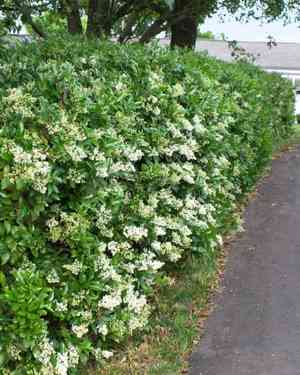
Japanese privet flourishes optimally with a minimum of 6 hours of daily sun exposure.
2
It can endure some shade, yet inadequate light may result in stunted development.
3
Changes in sunlight throughout the year can affect the plant's general well-being.
Optimal Light Conditions for Japanese Privet
Full Sun vs. Partial Shade
For peak development, Japanese privet flourishes with ample direct sunlight, meaning a minimum of six hours daily. While it can endure partial shadeâa mix of sun and shadow throughout the dayâthis often leads to slower development and less dense foliage. Full sun encourages more robust growth, stronger stems, and a fuller appearance, making it ideal for hedges and landscape features.
Effects of Insufficient Light
When Japanese privet lacks adequate sunlight, it can display various signs of distress. The plant might exhibit etiolated growth, where stems become elongated and weak. Leaves may yellow, and the plant's overall look can deteriorate. Insufficient light also increases susceptibility to pests and diseases due to weakened natural defenses. Ensuring proper light is vital for its health and aesthetic appeal.
Seasonal Light Fluctuations
Seasonal changes bring variations in light intensity and duration. During spring and summer, with longer days, Japanese privet enjoys abundant sunlight, leading to vigorous growth. Conversely, in autumn and winter, shorter days and lower light levels can slow its development. It's important to consider these seasonal shifts and reposition the plant if necessary, especially if it's in a container or movable garden setup.
Maximizing Sunlight Exposure for Japanese Privet
Selecting the Appropriate Location
Choosing the correct site for your Japanese privet is the initial step in optimizing its light exposure. Pick a location that receives full sun for most of the day. If planting multiple, ensure sufficient spacing to prevent mutual shading. If your yard or garden has shaded areas, consider placing Japanese privet in the sunniest available spot.
Pruning for Enhanced Light Penetration
Regular trimming can improve light access to the plant's interior. By removing dead or overcrowded branches, you open up the canopy, allowing sunlight to reach lower leaves and fostering healthier, more uniform growth. Pruning should occur in early spring before new growth begins, giving the plant ample time to recover and thrive during the growing season.
Utilizing Reflective Mulch
Reflective mulch can be a beneficial addition to your gardening routine, helping to optimize sunlight exposure for your Japanese privet. These mulches, often made from metallic or light-colored materials, bounce sunlight back onto the plant, increasing the light available to lower leaves and branches. This is especially useful in partially shaded areas, helping your Japanese privet make the most of available light.
Indicators of Light Stress in Japanese Privet
Recognizing Sunburn and Leaf Scorch
While Japanese privet is generally resilient, excessive sunlight can cause leaf scorch and sunburn, particularly in very hot climates. Look for symptoms such as browning or crisping of leaf edges and spots on the leaves. These signs suggest the plant is receiving too much direct sunlight without adequate hydration or protection.
Symptoms of Light Deficiency
If your Japanese privet isn't getting enough sunlight, you might observe stunted growth, pale foliage, and a general lack of vitality. The plant may also become leggy as it stretches towards light sources. Ensuring the plant receives at least 6 hours of daily sunlight can help alleviate these issues, promoting healthier development.
Remedial Actions for Light Stress
If you notice signs of light stress in your Japanese privet, take immediate steps to correct the situation. For sunburn, consider moving the plant to a slightly shaded area during peak sunlight hours or provide temporary shade using an umbrella or shade cloth. For light deficiency, relocate the plant to a sunnier spot or trim surrounding plants that may be casting shadows.
Common Questions Regarding Japanese Privet Sunlight Requirements
Can Japanese Privet Be Grown Indoors?
While Japanese privet can be cultivated indoors, it demands a very bright environment to flourish. Position it near a south-facing window where it can receive abundant direct sunlight, or supplement with grow lights to meet its light needs. However, it generally performs better outdoors in a garden or yard setting.
What Happens if Japanese Privet Receives Excessive Sun?
Too much direct sunlight, especially in hot climates, can lead to sunburn and leaf scorch in Japanese privet. Ensure the plant is well-hydrated and consider providing some afternoon shade during the hottest part of the day. Monitoring and adjusting the plant's exposure can prevent damage and encourage healthier growth.



