How Much Sunlight Do Dotted Gayfeather Need?
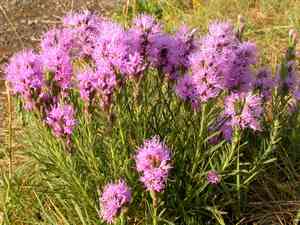
1
Liatris punctata flourishes optimally with more than six hours of direct sun each day.
2
While this plant can endure some shade, complete sun exposure guarantees vivid blossoms.
3
Adequate light encourages robust development and striking floral displays.
Ideal Light Exposure for Liatris punctata
Recommended Daily Sun Duration
For Liatris punctata, also known as blazing star, full sun is paramount. This plant ideally requires over 6 hours of direct sunlight daily to flourish. Consistent exposure to ample light promotes vigorous development and vibrant, enduring blossoms. When planting, select a location receiving maximum direct sunlight, such as a south-facing area.
Seasonal Light Variations
While Liatris punctata thrives in full sun, it can endure partial sun, particularly during intense summer months. In spring and autumn, when sunlight is less harsh, aim for increased direct sun exposure. In regions with scorching summers, some afternoon shade can safeguard the plant without compromising its overall need for sunny conditions.
Indicators of Sufficient Sunlight
When Liatris punctata receives adequate sunlight, it will display strong, upright stems and vivid spikes of purple flowers. The foliage will be lush and green, and the plant should exhibit steady growth. The blooms should be bright and long-lasting, adding a burst of color to your garden during its flowering period.
Impact of Insufficient Sunlight on Liatris punctata
Symptoms of Low Light
Inadequate sunlight can cause various problems for your Liatris punctata. The most evident sign is weak, elongated stems that struggle to support the weight of the flowers. Blooms might become sparse and dull in hue. Additionally, the plant's growth rate will diminish, and you may notice the leaves losing their rich green color.
Effects of Excessive Sunlight
Although Liatris punctata loves the sun, too much direct light without any respite, especially in extremely hot climates, can lead to sunburn. Symptoms include scorched or bleached leaves that appear dry and brittle. To prevent this, ensure the plant gets a break from intense midday sun during sweltering periods.
Strategies for Optimizing Sunlight for Liatris punctata
Selecting the Appropriate Site
The initial step in ensuring your Liatris punctata receives necessary sunlight is choosing the perfect garden spot. Opt for an area that gets abundant morning sunlight and offers some shade during peak afternoon hours in warmer climates. A south-facing garden bed or a sunny spot near a light-reflecting wall can be ideal.
Utilizing Supplemental Lighting
If you're cultivating Liatris punctata indoors or in a location with insufficient natural sunlight, consider supplementing with artificial grow lights. Use full-spectrum LED lights to mimic natural sunlight and position the light source approximately 30-45 cm (12-18 inches) above the plant. Ensure lights are on for at least 12-14 hours daily to replicate the plant's natural growing conditions.
Seasonal Adaptations
Be flexible with your Liatris punctata's placement based on the season. During the growing season, move your plant to receive more direct sunlight. In peak summer, partial shading can prevent scorching. Assess natural light levels and adjust as needed to maintain your Liatris punctata in optimal health year-round.



