How Much Sunlight Do Lovage Need?
1
Lovage flourishes in bright sun, requiring a minimum of 6-8 hours of direct sun exposure each day.
2
When cultivated indoors, guarantee Lovage gets sufficient illumination from windows or artificial lighting.
3
Observe Lovage for indications of excessive sun exposure, including leaf fading and fragile stalks.
Optimal Sun Exposure for Lovage
Full Sun Requirements
Lovage is a vigorous herb that thrives in bright sunshine. Ideally, your Lovage plant should receive a minimum of 6 to 8 hours of direct sunlight daily. This exposure promotes healthy development, yielding abundant foliage and robust stems. Full sun is especially vital during its active growth phase, from spring through early autumn.
Partial Shade Tolerance
While Lovage flourishes best in full sun, it can endure some partial shade, particularly in regions with extremely hot summers. In such climates, providing afternoon shade can help prevent scorching. However, be aware that excessive shade will impede its growth and diminish its flavor intensity.
Daily Sunlight Duration
For peak growth, aim for Lovage to experience between 6 and 8 hours of sunlight each day. If your area has limited sun, strive for at least 6 hours. Consistent light helps Lovage generate the energy needed for tall, bushy growth.
Impact of Insufficient Sunlight on Lovage
Growth Impairments
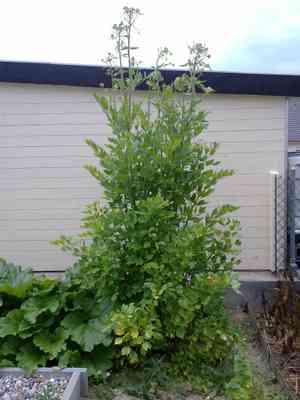
When Lovage lacks adequate sunlight, stunted growth is an early indicator. The plant may struggle to reach its full height, typically 1.2 to 2 meters (4-6 feet). Insufficient light can result in a leggy appearance, characterized by long, weak stems.
Leaf Discoloration
Another common problem from poor sunlight is leaf discoloration. If Lovage leaves begin to yellow or lighten, it's a clear sign of insufficient light. Healthy Lovage leaves should exhibit a vibrant green, indicating efficient photosynthesis.
Stem Weakening
Fragile stems are a prominent symptom of inadequate sunlight. Without enough light, stems can become thin and brittle, unable to support the plant's weight. This increases the plant's vulnerability to damage from wind or rain.
Maximizing Sunlight Exposure for Lovage
Choosing the Right Location
Selecting an appropriate planting site for Lovage is critical. Pick a garden spot that receives ample direct sunlight throughout the day. If growing Lovage in a container, consider placing it on a sunny patio or deck for maximum light exposure.
Seasonal Adjustments
It's essential to modify the plant's sun exposure based on the seasons. In spring and fall, when sunlight intensity is lower, ensure Lovage has unobstructed access to light. During summer, in hot climates, some afternoon shade can shield the plant from extreme heat.
Using Reflective Surfaces
Employing reflective surfaces is an effective method to boost Lovage's sunlight exposure. Placing reflective materials like white stones or mirrors around the plant's base can help redirect additional light, ensuring the plant receives as much sun as possible.
Can Lovage Thrive Indoors?
Required Indoor Light Sources
Growing Lovage indoors is entirely feasible with the correct light sources. Position the plant under fluorescent or LED grow lights that mimic the sun's spectrum. Ideally, the light should remain on for approximately 14-16 hours daily to replicate natural sunlight conditions.
Windowsill Placement
Placing your Lovage plant on a south-facing windowsill is an excellent way to ensure it gets ample sunlight. South-facing windows receive the most intense and prolonged light, ideal for sun-loving plants like Lovage.
Supplemental Lighting Options
If natural light is insufficient, consider using additional lighting options such as grow lights. These lights should emit full-spectrum light to support the plant's development. Ensure the lights are positioned close to the plant but not so near as to cause heat stress or leaf burn.
Monitoring and Adjusting Lovage's Sunlight
Using a Light Meter
To guarantee your Lovage plant receives the necessary amount of light, use a light meter. This useful tool helps measure light intensity in a specific area. It can guide you in selecting the optimal spot for your plant, both indoors and outdoors.
Signs of Sunlight Stress
Be attentive to indicators of sunlight stress. Overexposure to light might lead to leaf burn, where edges turn brown and crisp. Conversely, insufficient light will manifest as pale yellow leaves and weak stems. These signs signal that adjustments in light exposure are needed.
Making Adjustments
If you observe signs of sunlight stress, make prompt adjustments. For instance, if the plant shows signs of too much light, provide some shade during peak sun hours. If there's not enough light, try relocating the plant to a sunnier spot or adding supplemental lighting.



