How Much Sunlight Do Texas ranger Need?
1
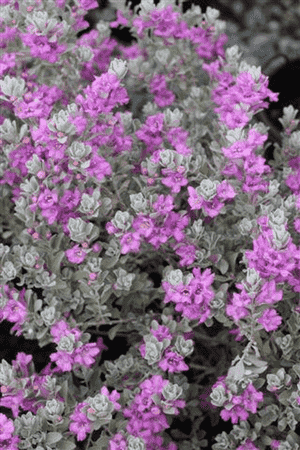
Texas rangers flourish optimally with a minimum of six hours of direct sun each day.
2
Some shade is acceptable, though it may impact bloom production.
3
Excessive sun exposure might lead to leaf scorching on the Texas ranger.
Ideal Light Conditions for Texas Ranger
Full Sun Requirements
The Texas ranger is a heliophilic plant that flourishes best in environments with ample direct sunlight. Full sun implies the plant should receive uninterrupted solar exposure for the majority of the day. This species originates from areas with high sun levels, making it quite tolerant of strong light. Positioning your Texas ranger in a full sun location guarantees vibrant foliage and abundant blooms.
Optimal Daily Sunlight Duration
For peak development, the Texas ranger needs at least 6 hours of direct sunlight daily. While it can survive with less, providing this amount of light exposure will promote the healthiest growth and most prolific flowering. Sunlight facilitates photosynthesis, the process where the plant converts light into energy, vital for blooming and leaf appearance.
Seasonal Light Fluctuations
Based on your geographical area, the strength and duration of sunlight can vary considerably with the seasons. During summer, when light is plentiful, your Texas ranger typically won't struggle to get the light it needs. However, in colder months or regions with less intense sunlight, you might need to alter its placement to ensure adequate light. This could involve relocating potted plants or modifying garden arrangements to suit seasonal changes.
Impacts of Insufficient Sunlight
Indicators of Light Deprivation
When a Texas ranger isn't receiving enough sunlight, several clear signs will appear. These include etiolated growth, where the plant stretches towards the light source, resulting in long, weak stems. Another indicator is reduced flowering; the plant may produce fewer blossoms or none at all. Leaves might also become pale or yellow, signaling the plant's difficulty in producing essential chlorophyll.
Effect on Plant Vitality and Development
Without sufficient sunlight, the overall health of a Texas ranger can deteriorate. The plant's growth rate will slow, and it may become more vulnerable to diseases and pests due to weakened defenses. Proper light exposure is crucial for the plant's ability to perform photosynthesis, essential for its energy production. A lack of adequate sunlight can lead to poor structural development and a less robust plant.
Consequences of Excessive Sunlight
Signs of Sunburn in Texas Ranger
Too much sunlight can be as detrimental as too little. One of the most obvious signs of excessive sun is leaf scorch. You might observe burned, dried, or brown patches, especially on parts of the plant receiving the most direct sun. This can occur more frequently during heatwaves or in areas with very intense solar radiation.
Preventing Sun Damage
To avoid sunburn, ensure your Texas ranger isn't exposed to overly strong sunlight for extended periods, particularly during peak sun hours (from mid-morning to late afternoon). If you notice sunburn signs, consider providing some shade during the hottest parts of the day. You can use temporary shade structures or position the plant near taller vegetation for relief from intense sun.
Achieving Balanced Light Conditions
Utilizing Partial Shade
When full sun is not feasible, partial shade can be a suitable alternative for the Texas ranger. Partial shade means receiving sunlight for a significant portion of the day while being shaded for the remainder. This can be beneficial in regions with extremely high sun intensity or for young, developing plants. However, note that while the Texas ranger can tolerate partial shade, its blooming might be somewhat diminished.
Optimizing Garden Layout
Optimizing your garden's arrangement can significantly influence the amount of sunlight your Texas ranger receives. Consider the sun's trajectory when planting. Place the Texas ranger where it won't be overshadowed by larger plants or structures. Raised beds or south-facing walls are excellent locations for maximizing solar exposure.
Adjusting for Location and Climate
Different climates necessitate varied care approaches. In cooler regions, finding the sunniest spot in your garden is paramount. Conversely, in hotter areas, you might need to provide intermittent shade to prevent overexposure. Adjusting your plant's placement according to seasonal shifts and climatic nuances ensures a thriving and healthy Texas ranger year-round.



