How Much Sunlight Do Summer snowflake Need?
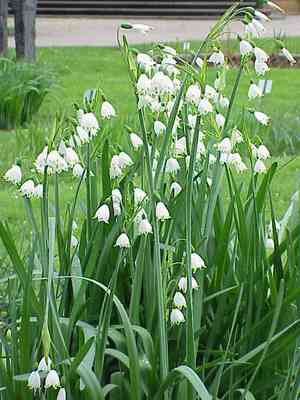
1
Summer snowflake flourishes in locations with morning sunlight and afternoon partial shade.
2
Too much direct sun can cause leaf burn and hinder development.
3
Employ shade covers to shield your Summer snowflake during the hottest summer periods.
Optimal Light Conditions for Summer Snowflake
Full Sun vs. Partial Shade
For your Summer snowflake, finding the right balance between full sun and partial shade is key. This delicate plant thrives with 6 to 8 hours of daily sunlight. While it can endure full sun, particularly in cooler climates, partial shade is often recommended to avoid sunburn and leaf damage. Placing your Summer snowflake where it gets sufficient morning sun, followed by some shaded relief in the hotter afternoon, generally leads to the healthiest growth and most vibrant blooms.
Morning Sun vs. Afternoon Sun
Understanding the difference between morning and afternoon sun is vital for your Summer snowflake's well-being. Morning sun, being cooler and less intense, aids optimal photosynthesis while minimizing overheating risks. Conversely, the strong afternoon sun, especially in summer, can stress the plant, causing burnt or discolored leaves. Therefore, positioning your Summer snowflake to benefit from gentle morning rays and be shielded from the scorching afternoon sun is the best approach.
Determining the Correct Amount of Light
Observe Leaf Color and Growth
An effective way to assess if your Summer snowflake is receiving appropriate sunlight is by observing its leaf color and overall development. Healthy plants typically exhibit vibrant green leaves and consistent growth. Pale or yellowing leaves might signal too much sun or a need for more shade. Conversely, overly dark or drooping leaves could indicate insufficient light. Regular inspection and adjustments based on these visual cues will help maintain its optimal health.
Monitor Blooming Cycles
Tracking your Summer snowflake's blooming cycles can also offer insights into its light requirements. A well-cared-for Summer snowflake usually produces abundant, beautiful flowers during its blooming season. If your plant yields fewer blooms or the flowers appear smaller and less vibrant, it might be getting either too much or too little sunlight. Ensuring the plant has the right balance of sun and shade can boost its blooming potential and overall vitality.
Protecting Summer Snowflake from Excessive Light
Shade Cloths and Netting
Shielding your Summer snowflake from excessive sunlight is crucial, especially during peak summer. Using shade cloths or netting is a practical solution. Shade cloths, available in various densities, can be draped over plants to filter harmful UV rays while still allowing some light to pass through. This method helps prevent leaf scorch and keeps your plant healthy and thriving even during intense heatwaves.
Strategic Planting Locations
Another method to protect your Summer snowflake from too much sun is through strategic placement. Consider planting it in spots where it can benefit from natural shading, such as near taller plants or structures that cast shadows during the hottest parts of the day. Additionally, positioning it on the east side of your home can ensure it receives ample morning sunlight while being protected from harsher afternoon rays.
How Seasonal Changes Impact Light Needs
Adjusting Light Exposure Seasonally
Seasonal shifts significantly influence your Summer snowflake's light requirements. During spring and fall, with moderate temperatures, your plant might thrive in full sun. However, in the height of summer, reducing its exposure to intense sunlight becomes essential. In winter, when the sun is less intense and lower, ensuring your Summer snowflake gets adequate light is important, though it may tolerate less light during its dormant period.
Indoor vs. Outdoor Growing by Season
Deciding whether to grow your Summer snowflake indoors or outdoors can depend on the season. While it flourishes outdoors in spring and summer, bringing it inside during fall and winter can protect it from frost and harsh weather. If grown indoors, placing the plant near a sunny window where it receives indirect sunlight will help maintain its health throughout the cooler months.



