How Much Sunlight Do Shasta daisy Need?
1
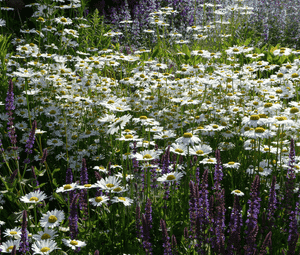
Shasta daisy flourishes optimally with a minimum of six hours of direct sun exposure each day.
2
Under conditions of partial sun, Shasta daisy can still develop, yet it might exhibit elongated stems or produce fewer flowers.
3
Both outdoor placement and cultivation in pots are suitable for Shasta daisy, as long as adequate light is provided.
Optimal Illumination Requirements for Shasta Daisy
Full Sun Necessity
The Shasta daisy flourishes with over 6 hours of direct solar exposure daily. Ample sunlight is vital for vigorous development, prolific flowering, and overall plant vitality. Without it, blossoms may lack vibrancy or quantity.
Partial Sun Tolerance
While full sun is preferred, Shasta daisy can endure partial sunlight, meaning 3 to 6 hours of daily sun. Under these conditions, expect some compromises. The plant might show elongated stems, fewer flower buds, or less robust blooming. This trade-off is sometimes acceptable based on garden layout and light availability.
Ideal Planting Spots for Shasta Daisy
Outdoor Garden Placements
Cultivating Shasta daisy in your outdoor garden can be very rewarding. These daisies perform best in open areas where they can receive full sunlight. Position them in garden beds not shaded by trees or structures. Elevated beds or borders also work well, ensuring proper root drainage and moisture access.
Container Cultivation
For limited garden space, consider growing Shasta daisy in containers. Pots offer flexibility, allowing you to relocate daisies to the sunniest spots throughout the day or season. Use containers with good drainage and water frequently, as potted plants tend to dry out faster.
Ensuring Sufficient Light for Shasta Daisy Year-Round
Seasonal Light Fluctuations
Seasonal shifts can impact the amount of sunlight your Shasta daisy receives. In summer, the sun is more direct and prolonged, providing abundant light. However, in autumn and winter, you might need to reposition them or prune shading foliage. Consider mapping your garden's sun path to understand light exposure changes with seasons.
Utilizing Supplemental Lighting
When natural light is insufficient, especially in colder months, grow lights can replicate necessary light conditions. LED grow lights are energy-efficient and effective. Position them approximately 30-45 centimeters (12-18 inches) above your Shasta daisy, ensuring at least 6 hours of artificial light daily. This maintains plant health and blooming even in low-light periods.
Indicators of Insufficient Sunlight for Shasta Daisy
Reduced Flowering
If your Shasta daisy isn't getting enough sunlight, one of the primary signs is poor blooming. Flowers may be scarce, smaller, or fail to appear. A lack of sunlight directly hinders the plant's ability to produce its beautiful, daisy-like flowers.
Elongated Growth
Another clear indicator is leggy growth, where stems become long and thin as they reach for a light source. This occurs when the plant is striving for more light. Correct placement in a brighter location usually resolves this issue.
Leaf Discoloration
Inadequate sunlight can also cause the leaves of your Shasta daisy to turn yellow. This process, known as chlorosis, signifies that the plant is struggling to photosynthesize due to insufficient light. Monitoring and adjusting the plant's light exposure can help restore the leaves to their healthy green color.



