How Much Sunlight Do Broom tea-tree Need?
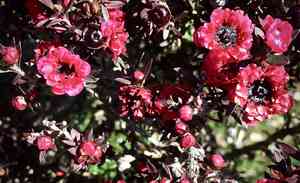
1
Leptospermum scoparium flourishes optimally with at least six hours of direct sun exposure daily.
2
It can withstand partially sunny environments, though its development may not be as robust as in full sun.
3
Employing a light meter or observing natural light patterns can assist in verifying your plant receives adequate illumination.
Ideal Light Requirements for Broom tea-tree
Full Sun Necessity
The Broom tea-tree thrives when exposed to full sun, requiring over 6 hours of direct solar exposure daily. This enables efficient photosynthesis, promoting strong development and vibrant flowers. Insufficient light can impede these processes, leading to weaker growth. Position your Broom tea-tree in a garden area that receives sunlight for most of the day, such as a south or southwest-facing location.
Partial Sun Adaptability
While it flourishes in full sun, the Broom tea-tree can endure partial sun conditions, meaning 3-6 hours of daily sunlight. However, be aware that growth may be less robust, and flowering might be less abundant than in full sun. If consistent full sun isn't available, placing your Broom tea-tree where it gets morning sun followed by afternoon shade is a viable option.
How to Gauge Sunlight Levels for Broom tea-tree
Utilizing a Sunlight Meter
A sunlight meter is a useful device for precisely measuring the light your Broom tea-tree receives. Simply place the meter where your plant is or will be situated, and allow it to record sunlight exposure for a full day. This data will reveal if the spot provides adequate light for your plant's optimal health. Sunlight meters are readily available online or at garden centers and offer an exact assessment of garden lighting.
Natural Observation Methods
If a sunlight meter isn't available, you can estimate sun exposure by careful observation. Dedicate a day to tracking the sun's path across your garden, noting how much direct sunlight the area receives. Focus on the continuous hours of direct sunlight, especially from late morning to early afternoon when the sun is most intense. This approach requires patience but can be equally effective in ensuring your Broom tea-tree gets necessary light.
Signs of Improper Light Exposure
Indicators of Excessive Sun
Too much sunlight can harm the Broom tea-tree, causing leaf scorch or sun damage. Symptoms include brown or crispy leaf edges, wilting despite sufficient water, and faded or bleached foliage. If these signs appear, your plant might be getting too much direct sun. Consider providing some afternoon shade to alleviate the problem and protect the plant during the hottest parts of the day.
Indicators of Insufficient Sun
Conversely, inadequate sunlight will manifest as less vigorous growth, sparse blooms, and pale, elongated stems. The Broom tea-tree may appear stretched as it attempts to reach more light. Regularly check for these signs to ensure your plant isn't light-deprived. Relocate the plant to a sunnier spot if these symptoms are observed to enhance its health and growth.
Adjusting Light Conditions for the Broom tea-tree
Strategies for Increasing Light Exposure
If your Broom tea-tree isn't getting enough sunlight, consider moving it to a brighter location. Look for highly exposed areas like the south-facing part of your garden. If moving isn't possible, prune overhanging branches or nearby plants that cast shadows. Another option is to plant your Broom tea-tree in a pot, allowing it to be moved to follow the sun throughout the seasons.
Protective Measures Against Excessive Light
On the other hand, if your Broom tea-tree receives too much sunlight, you can employ shading techniques for protection. Installing shade cloths, which provide a filtered light environment, can be very effective. Alternatively, positioning your plant to receive morning sun with afternoon shade can lessen the intensity of midday sun. Mulching around the plant's base also helps retain soil moisture, offering some relief from strong sunlight.



